

Photo provided by DepositPhotos
Most people picture icy highways and whiteout blizzards when they think about dangerous driving weather. It's the kind of threat that feels obvious. Schools close, salt trucks roll out, and the evening news runs wall-to-wall coverage telling everyone to stay home.
But the real danger on Northeastern roads doesn't always come wrapped in snow.
The Problem Nobody's Talking About
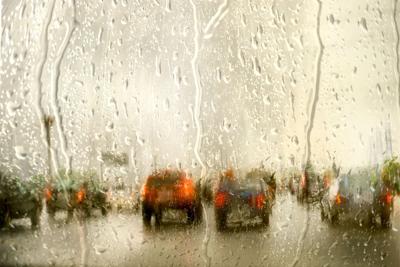
Here's what catches most drivers off guard: rain, not snow, is the leading weather-related cause of crashes in the United States. According to the FHWA Road Weather Management Program, 75% of weather-related vehicle crashes happen on wet pavement, and 47% occur during active rainfall. That translates to nearly 5,700 deaths and more than 544,700 injuries on wet roads every year.
People are also reading…
Compare that to winter conditions. About 24% of weather-related crashes occur on snowy, slushy, or icy pavement, with 15% taking place during snowfall or sleet. Those numbers are serious, accounting for over 1,300 annual fatalities. But they're dwarfed by rain.
The gap between perception and reality is wide. Winter storms get the emergency alerts and the highway closures. Rain gets windshield wipers.
Why the Northeast Gets Hit Hardest
Not all regions face this problem equally. A study from the AAA Foundation for Traffic Safety found that the proportion of crashes occurring during rain was highest in the Northeast at 11.1%. Crashes on wet roads were also highest in the region, reaching 16.5%. No other part of the country came close.
The reasons aren't hard to piece together. Northeastern cities pack dense populations onto aging road infrastructure, and the region's climate delivers frequent, heavy precipitation across all four seasons. NOAA's National Centers for Environmental Information reported that 2025 was the fourth-warmest year in 131 years of records, with U.S. temperatures running 2.6°F above the 20th-century average. Record-breaking rainfall rates hit the New York City metro area during summer 2025, and climate models project that the Northeast will see increasingly extreme precipitation events by mid-century.
More rain, falling harder, on roads that were already struggling to keep up. That's the trajectory.
The Summer Threat Hiding in Plain Sight
If rain is the overlooked killer, heat is the invisible one. Research compiled by Scientific American shows that over the past decade, studies conducted across multiple countries have found the same pattern: hot weather increases the risk of fatal crashes. Researchers identified a significant rise in heat-related fatal wrecks between 1990 and 2019, with road fatalities climbing 3.4% during heatwaves.
The contributing factors range from increased traffic volume during warm months to the physiological effects of heat on driver alertness and decision-making. For the Northeast, where summers are getting hotter and more humid, this adds a year-round dimension to weather-related crash risk that goes well beyond the winter months.
What Drivers Can Actually Do
The pattern is clear: bad weather of any kind raises crash risk, and the Northeast faces that risk more than most regions. The FHWA reports that during adverse weather, U.S. highways see nearly 6,500 fatal crashes and over 450,000 injury crashes each year. And fog, while less common, is proportionally the deadliest condition of all. AAA's research found that fog-related crashes produce 17.3 fatalities per 1,000 crashes, significantly more than any other weather type.
Awareness is a starting point, but it's not enough. Slowing down in rain, increasing following distance in fog, and recognizing that summer heat affects driving ability are all practical steps. When weather-related crashes do happen, understanding the legal side of car accidents matters just as much as understanding the conditions that caused them. And for truck accidents during storms, where freight vehicles face even greater stopping and handling challenges on wet or icy roads, the stakes climb higher.
A Bigger Picture
Weather-related crash risk isn't a seasonal problem. It's a year-round reality that shifts shape with the calendar, and the Northeast sits at the center of it. As precipitation patterns intensify and summers get hotter, the gap between how drivers perceive risk and how risk actually behaves will only widen. The data from NHTSA says the most dangerous weather on the road isn't always the kind that makes the news.