
A fabulous weekend trip doesn't need to break the bank.
Plentiful outdoor recreation, comfortable accommodations, free festivals, unique donation-only museums, delicious drinks and dining, and walkable downtowns, make Cumberland Valley an affordable location for your next Weekend Easy getaway.
Here are some suggestions for the perfect – and inexpensive -- trip where you don't have to sacrifice fun to save money.
Outdoor exploration
It's time to connect with nature as you explore the serene and stunning landscape of the beautiful Cumberland Valley.
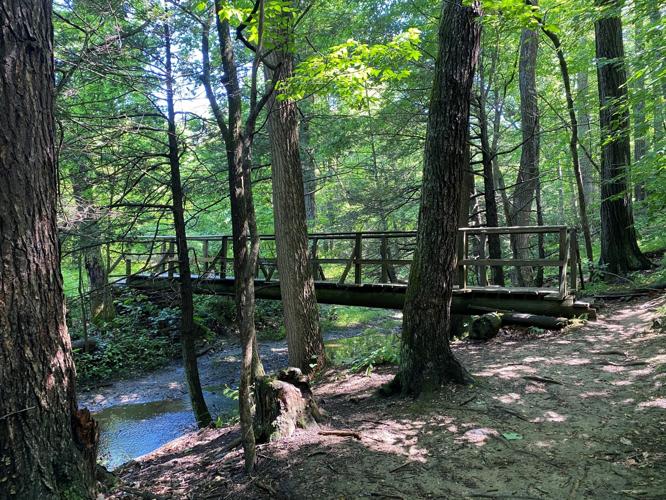
Opportunities abound for free outdoor recreation in the area. Whether you are an experienced hiker or a novice, discover and explore Cumberland Valley's more than 200 miles of scenic trails, including the 13-mile Cumberland Valley Rail Trail and 46 miles of the iconic Appalachian Trail.
People are also reading…

Meander along 46 miles of the Appalachian Trail in Cumberland Valley, including a 13-mile section that is one of the flattest and most accessible sections of the trail, making it perfect for a day trip.
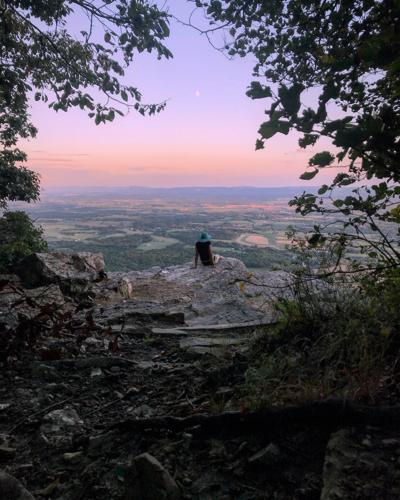
See a curated list of 10 scenic overlooks that provide year-round views of Cumberland Valley and allow visitors to look across the Valley's quaint towns, rolling farmland, and wooded forests. There are no entrance fees, and parking is free at our three state parks: Kings Gap, Colonel Denning, and Pine Grove Furnace. The parks also host numerous free programs throughout the year, including lectures and guided hikes.
You'll also find peaceful moments along striking streams and lakes ideal for fishing and boating.
Uncover local history
Uncover local history at our by-donation (or minimum entry fee) museums.
• The Cumberland County Historical Society Museum: Sixteen galleries with stories spanning 250 years of local history.
• U.S. Army Heritage & Education Center: An expansive campus dedicated to "telling the Army story… one Soldier at a time". The indoor museum features interactive displays and the one-mile outdoor trail includes full-scale military exhibits.
• Cumberland Valley Railroad Museum: Located inside a renovated 1956 Penn Central 50-foot boxcar, the museum features artifacts representing the histories of the Cumberland Valley, Penn Central, and Contrail Railroads and how these railroads impacted the region.
• Rolls Royce Foundation & Museum, Mechanicsburg: This facility features a changing collection of Rolls Royce and Bentley motorcars. Guests are welcome to open the doors and check out the interior of the cars to see and appreciate the quality craftsmanship of these vehicles.
• Appalachian Trail Museum, Gardners: Located in a 200-year-old grist mill in Pine Grove Furnace State Park, this is the only museum in the country dedicated to hiking. It portrays and preserves the history and the physical, emotional, and spiritual human experiences of the Appalachian Trail. (open seasonally)
• Pennsylvania Fly Fishing Museum, Carlisle: This small museum preserves Pennsylvania's history and fly fishing heritage.
Or, for those who prefer a more unstructured approach, download our free self-guided tours and explore on your own by foot or car.
Culinary journeys
Fortify yourself for a day of exploring with a meal at Cumberland Valley's more than 250 local restaurants. You'll find a variety of cuisine types, generous portions, reasonable prices, and friendly customer service. Or find fresh-picked seasonal produce at our many farmers' markets and roadside stands.

With more than 25 breweries, cideries, distilleries, and wineries, the Cumberland Valley Beer Trail will delight you with its variety of local craft beverages.
Of course, your journey wouldn't be complete without craft beverages and a cooling treat! Tap, tour, and try a pint at more than 25 locations on the Cumberland Valley Beer Trail or sprinkle in some fun as you enjoy ice cream concoctions on the Cumberland Valley Ice Cream Trail. Download the free digital passports, check-in at participating locations, and start earning prizes.

Downtown Carlisle is noted for its rich history, restored architecture, and tree-lined streets.
Charming downtowns
Put on your walking shoes and stroll through our downtowns to discover hidden gems. Our welcoming artisan boutiques feature handmade jewelry, artwork, home décor, and tasty treats. Or explore our vintage and antique stores, where you're sure to find one-of-a-kind treasures.

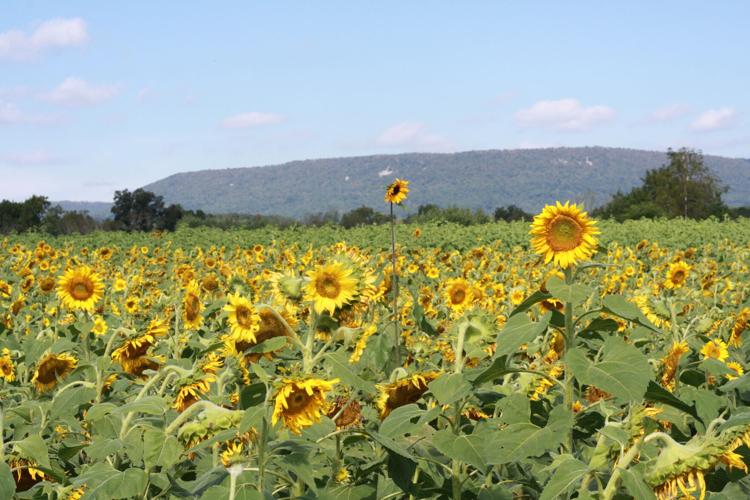
The annual Sunflower Festival at Meadowbrooke Gourds is one of the many festivals that showcase why Cumberland Valley is a great place to live, work, and play.
Festivals
Carlisle Events' car shows are must-see fun but don't overlook Cumberland Valley's other festivals & events, where you'll find an eclectic mix of activities that celebrate the outdoors, food and wine, local artisans, and more. Most festivals do not charge an entry fee.
Accommodations
Cumberland Valley's numerous brand-name hotels offer affordable accommodations and several amenities to make your stay feel more comfortable. Our hotels are conveniently located off major highways and within an easy drive of attractions, dining, and shopping. And parking is free and easy.
To learn more, go to VisitCumberlandValley.com and order a free visitors guide.
In the Good Old Summertime Collection: Getaway destinations of a bygone age in Cumberland County
The Good Old Summertime (1977): Summerfair started as low-cost alternative to travel at time of high gas prices
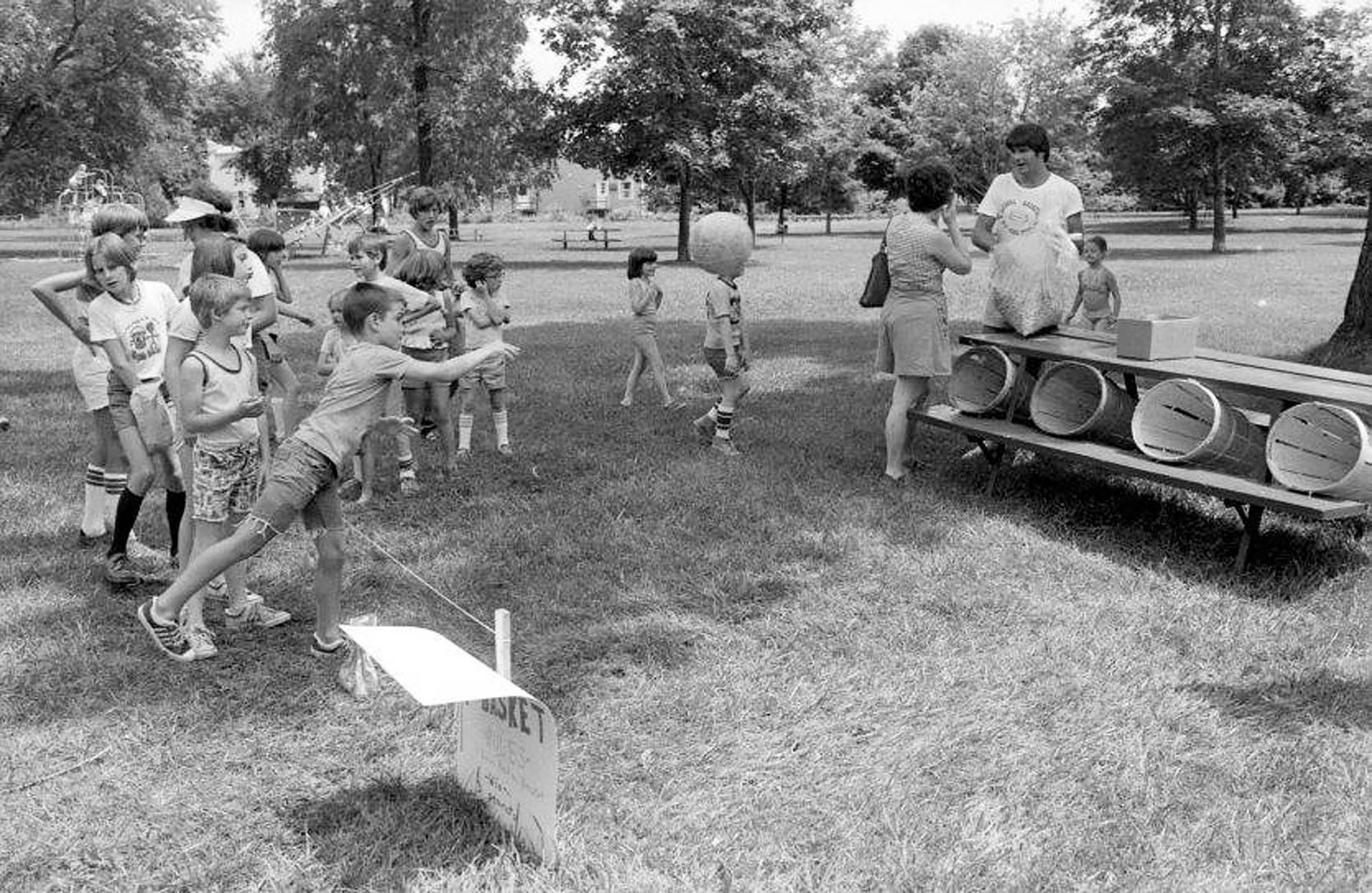
Children participate in the Peanut Carnival during Summerfair in 1978.
Inflation and high gas prices fueled enough discontent to kick-start the beginnings of the Summerfair tradition back in late June 1977.
Wayne Powell was the publisher-editor of The Sentinel newspaper, which took the lead in organizing the multiday event built around the Fourth of July. Then as now, the goal was to provide local families with an option to traveling elsewhere for holiday fun.

The Good Old Summertime (1928): Willow Mill Park was the scene of spiritual resort and amusement park
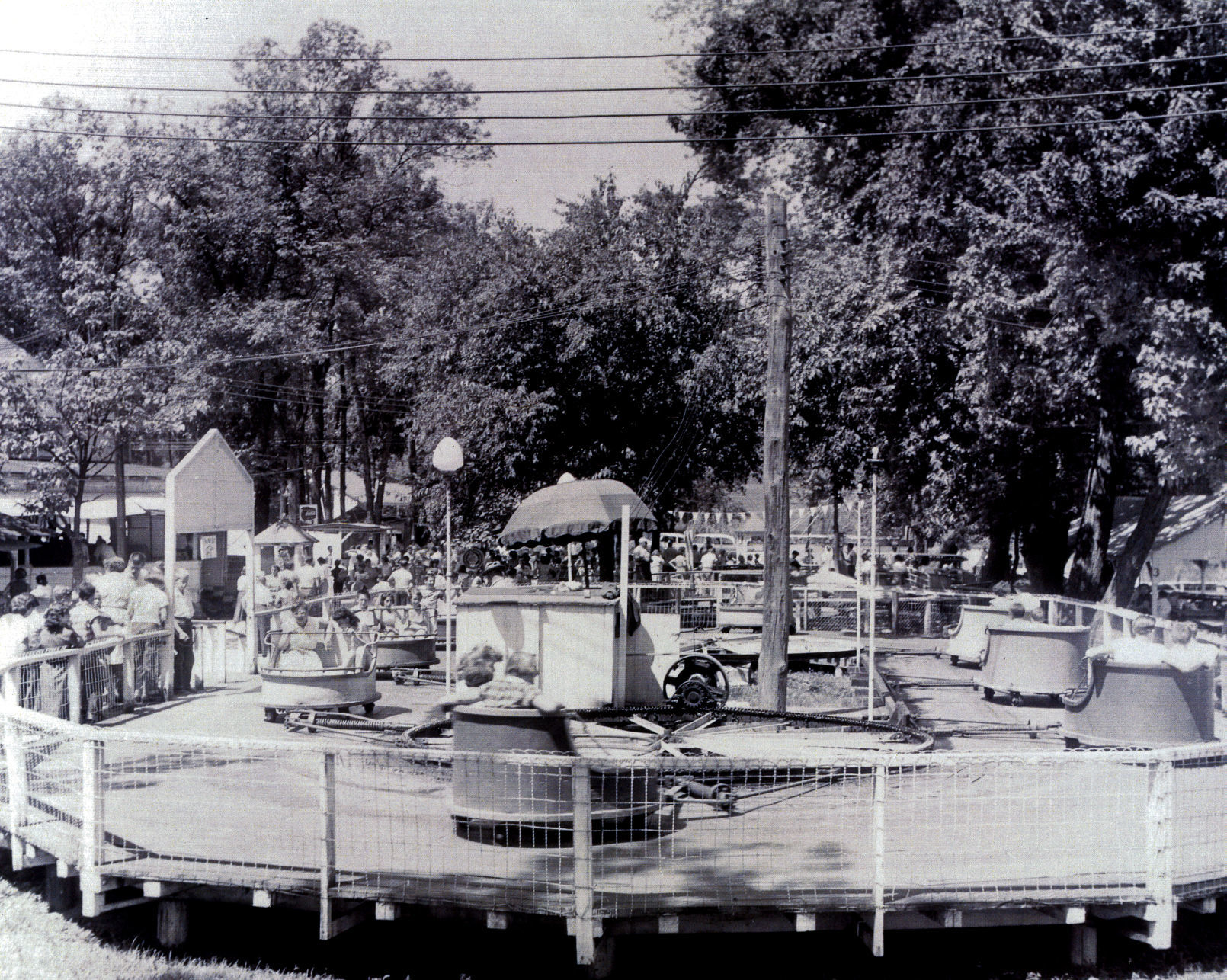
This photo of the Whip Ride at Willow Mill Park dates from the 1950s.
The Department of Prenatal Care provided a beautiful setting for mothers-to-be to have their babies.
At least, that’s how the brochure described the rustic retreat along the Conodoguinet Creek just north of the present-day Carlisle Pike off Route 114 in Silver Spring Township.
The Good Old Summertime (1924): One-day fair in Mechanicsburg has been around almost a century

Pictured is a street scene at the intersection of Main and Market streets in Mechanicsburg, showing a crowd at Jubilee Day around 1955. A banner reading Jubilee Day June 12 hangs across the street.
The mime was an easy target for children out for a laugh.
Dressed as a house painter, the street performer had to stand absolutely still in front of a hardware store.


The Good Old Summertime (1908): Carlisle had Cave Hill and Bellaire -- two parks linked by Conodoguinet Creek
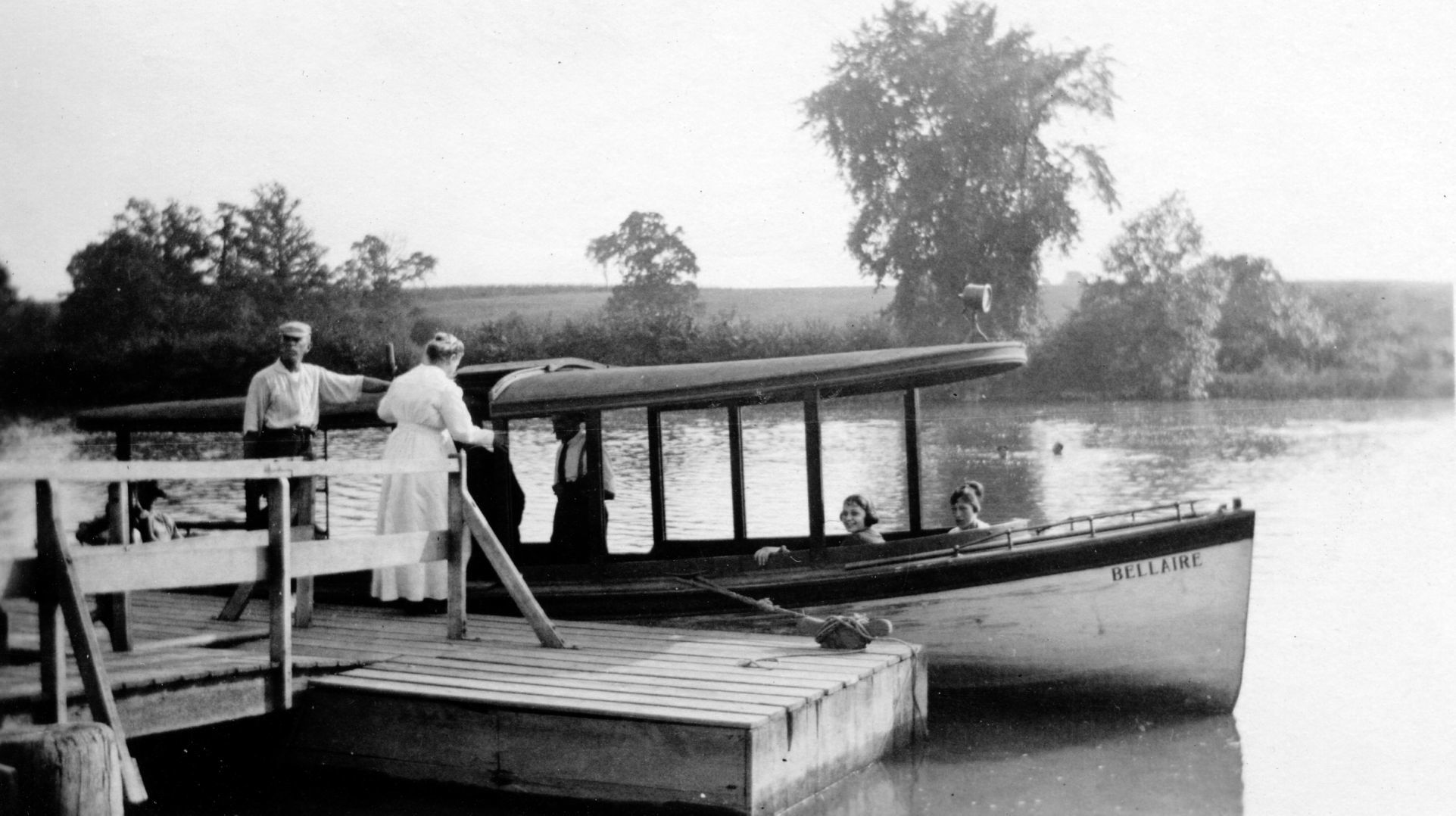
The launch platform for the motor boat Bellaire on the Conodoguinet Creek, circa 1900.
Hiawatha had a knack for making waves pleasing to Bellaire Park visitors.
The speed boat was tied to the shore so that its powerful motor could stir the waters of the Conodoguinet Creek.


The Good Old Summertime (1905): Boiling Springs Trolley Park was place to be for social dances
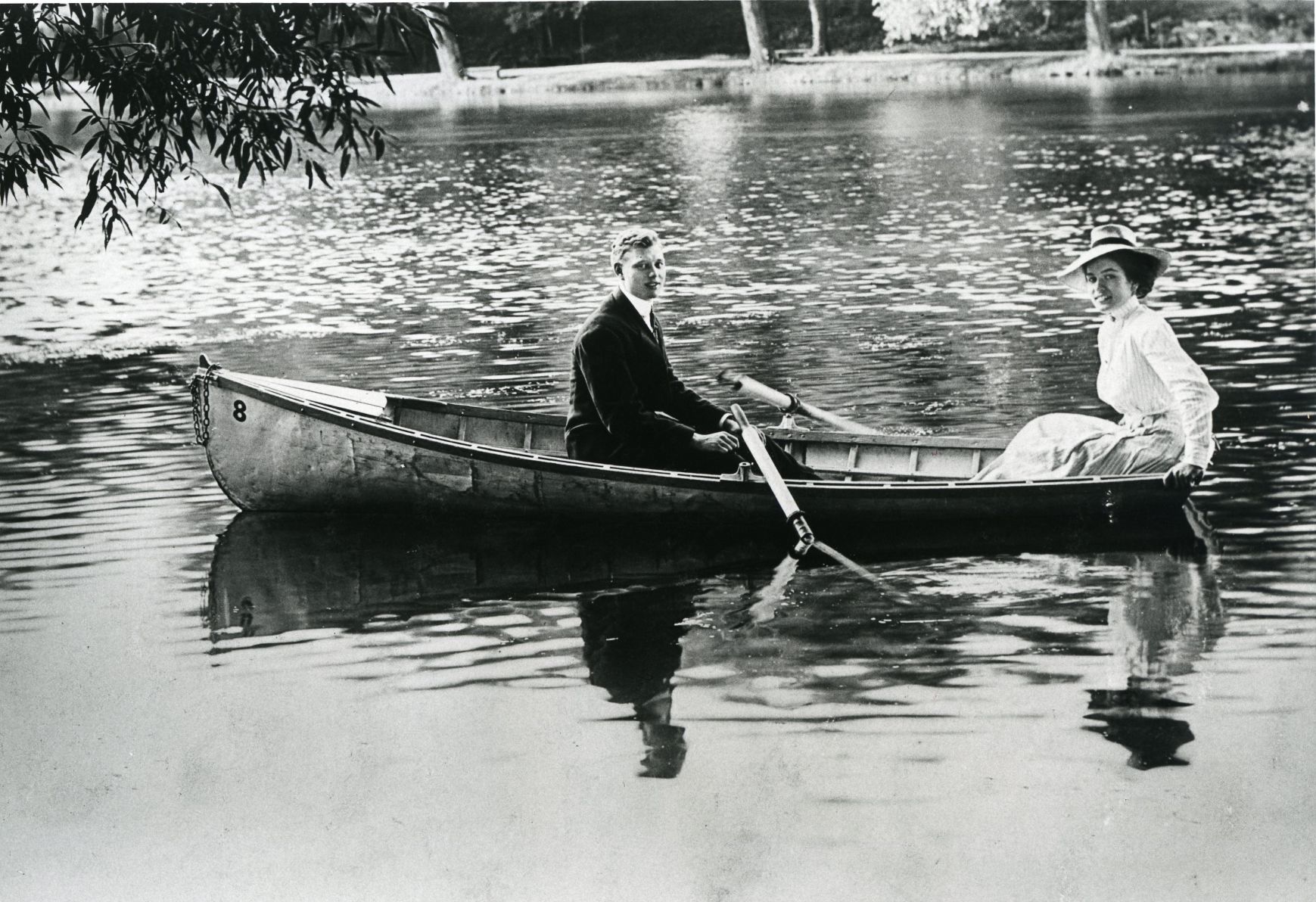
A couple enjoy a boating trip back when the present-day Children's Lake was the site of the Boiling Springs trolley park.
Wanted: Only those of good moral character. ... The best of order must be maintained.
The owners of the Boiling Springs trolley park had latitude to be picky about their clientele.

The Cumberland County Historical Society opened a two-floor exhibit displaying photos, artifacts and uniforms from the early history of sports in Cumberland County to the present Friday evening.

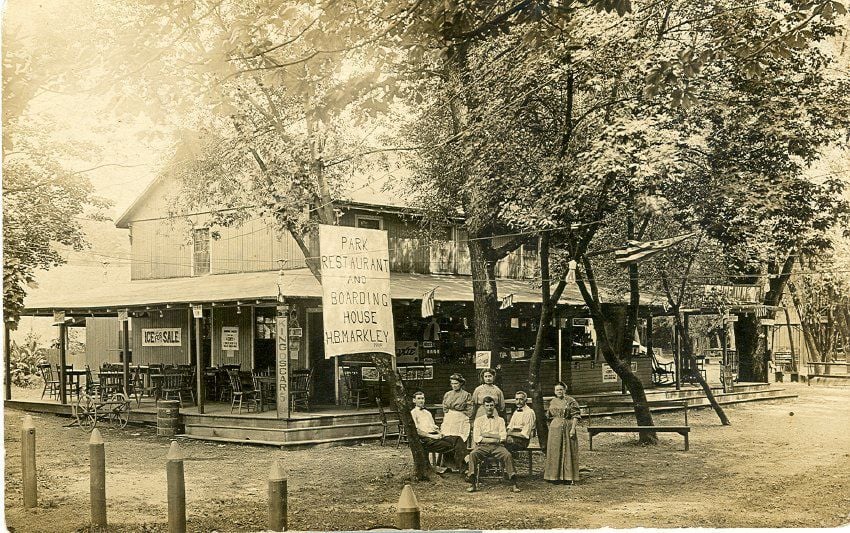
The Good Old Summertime (1874): The Great Grangers' picnic at Williams Grove became an engine of social reform
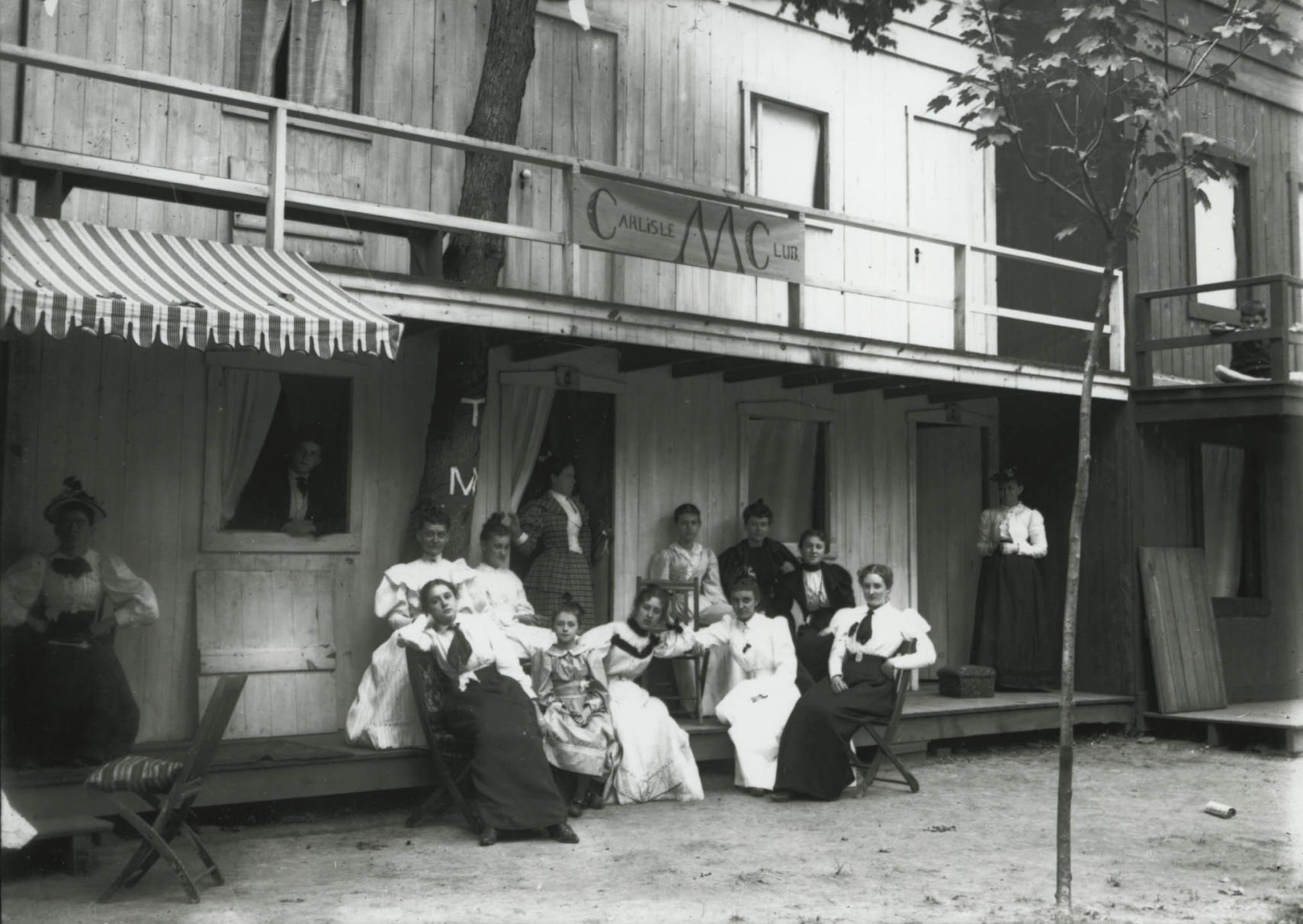
The annual Granger picnic in Williams Grove served as a political forum for such women’s issues as suffrage and temperance. Pictured are some Carlisle-area women gathered in front of their clubhouse during the picnic.
Health officials nowadays would have a conniption over a fond memory of the Great Grangers’ Picnic Exhibition at William Grove in what is now Monroe Township.
The childhood experiences of Rolla F. Lehman Sr. were the focus of an August 1968 article by Martie Kunkel that was published in the Carlisle Shoppers’ Guide.


Graves in the Cumberland Valley
Graves in the Valley: A hero returns home
The Sentinel offers “Graves in the Valley” throughout September, looking at some of the famous and infamous people buried in cemeteries of the Cumberland Valley:
Randall Shughart
Graves in the Valley: The name behind the library in Mount Holly Springs
The Sentinel offers “Graves in the Valley” throughout September, looking at some of the famous and infamous people buried in cemeteries of the Cumberland Valley:
Amelia S. Givin
Graves in the Valley: A soldier near his sons in Carlisle
The Sentinel offers “Graves in the Valley” throughout September, looking at some of the famous and infamous people buried in cemeteries of the Cumberland Valley:
Staff Sgt. Bruno Verano
Graves in the Valley: Resting place for a governor
The Sentinel offers “Graves in the Valley” throughout September, looking at some of the famous and infamous people buried in cemeteries of the Cumberland Valley:
Gov. Joseph Ritner
Graves in the Valley: The last burial at the Indian Cemetery
Master Sgt. Clarence Barr
HISTORY: Master Sgt. Clarence F. Barr was interred at the Indian Cemetery in August 1984, and his widow was also granted burial rights alongside her husband.
Graves in the Valley: The Babes in the Woods mystery
Three Babes in the Woods
HISTORY: The Babes in the Woods murders took place near Pine Grove Furnace on Nov. 24, 1934. The bodies of Norma Sedgwick, 12, Dewilla Noakes, 10, and Cordelia Noakes, 8, were found under a blanket in the woods along Centerville Road.
Graves in the Valley: The man behind Bosler Hall
James Williamson Bosler
THE HISTORY: James Williamson Bosler was born: April 4, 1833, to Abraham and Eliza Herman Bosler in Silver Spring, Cumberland County.
Graves in the Valley: Lucy Pretty Eagle and the Carlisle Indian School
Lucy Prettyeagle
THE HISTORY: Take the Tail “Lucy Pretty Eagle” was among the first of almost 10,600 boys and girls sent to the Carlisle Indian School to take part in a social experiment to assimilate Native American children into the mainstream culture by removing them from tribal influences.
Graves in the Valley: University of Pittsburgh's founding father
Hugh Henry Brackenridge
THE HISTORY: At just 5 years old in 1753, Hugh Henry Brackenridge and his family emigrated from Scotland and settled on a small farm in York County. At the age of 15, Brackenridge taught at a frontier school and subsequently enrolled at Princeton University.
Graves in the Valley: Teacher turned Union colonel
Col. Henry Zinn
THE HISTORY: Col. Henry Zinn was a Civil War Union Army officer born in Dover Township, York County, Dec. 11, 1834. He was a school teacher prior to the Civil War.
Graves in the Valley: The earliest marked grave in Cumberland County
Janet Thomson
THE HISTORY: Janet Thomson was the wife of the Rev. Samuel Thomson, who was the first installed pastor of Meeting House Springs Church located two miles west of present Carlisle, and pastor of Silver Spring Church at the same time.
Graves in the Valley: The Edison of Cumberland Valley
Daniel Drawbaugh
THE HISTORY: Daniel Drawbaugh was born on July 14, 1827, in Cumberland County at Eberyley’s Mill.
Graves in the Valley: City he never visited named for soldier
Maj. Alexander Parker
THE HISTORY: Alexander Parker was born in Cumberland County in 1753 and had a long and active career in the Pennsylvania Line during the Revolutionary War. There he fought under Gen. George Washington in the Battle of Monmouth.
Graves in the Valley: Perry County man makes mark as judge
Politician and judge
THE HISTORY: John Bannister Gibson was a Pennsylvania attorney, politician in the state Legislature and judge, including on the Pennsylvania Supreme Court.
Graves in the Valley: The unknown soldier in Holly
Unknown Confederate Soldier
THE HISTORY: Mount Holly Springs witnessed more than 40,000 Confederate and Union troops pass through the gap on their way to Gettysburg in 1863. According to the Holly Inn’s website, “A skirmish ensued in front of the Holly Inn and a member of General Richard Ewell’s 2nd Corps was injured in June 1863.
Graves in the Valley: Dickinson grad turned judge
Frederick Watts
HISTORY: Frederick Watts born in Carlisle in 1801, becoming a prominent lawyer and member of the first class to graduate from Dickinson College.
Graves in the Valley: A general of influence in Carlisle
Gen. John Armstrong
THE HISTORY: Gen. John Armstrong in 1750 coordinated the first plot or plan for the town of Carlisle and was one of its first settlers. He was later appointed surveyor for the newly established Cumberland County.
Graves in the Valley: A pioneer in Cumberland County
Pioneer in the Valley
THE HISTORY: James Weakley and his wife Jane came to this country from Devonshire, England, between the years of 1725 and 1730. According to USGenWeb Archives, they built a log house about one mile north of Yellow Breeches Creek, near the present site of Barnitz Mill, in West Pennsboro Township.
Graves in the Valley: A Revolutionary War heroine
Molly Pitcher
THE HISTORY: This may be the Carlisle area’s most well-known grave site.
Graves in the Valley: Civil War mass gravesite
500 U.S. Civil War Union Soldiers
THE HISTORY: According to the National Parks Service (nps.gov), Ashland Cemetery in Carlisle contains a Soldiers’ Lot with the remains of more than 500 Union soldiers from the Civil War. Only 35 of the soldiers are identified. The website said the government placed a granite monument at the gravesite in 1960 with an inscription that reads, “500 U.S. Soldiers of the Civil War Are Here Interred/The Others Are Known But To God.”
Graves in the Valley: Historical society offers many sources for finding burial sites
Debbie Miller is comfortable telling people they can take information to the grave.
More than once, she had to relay directions over the phone to a visitor who got lost in a local cemetery while searching for the tombstone of a long dead relative.
Good Old Summertime (1850): From Picnics to sprint Cars, Williams Grove has hosted a variety of activities
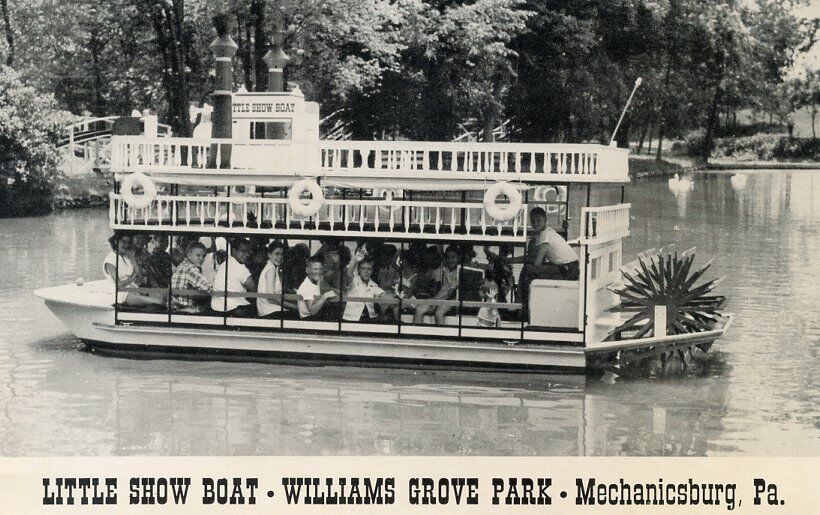
This photograph from circa 1950s shows the small paddle-wheel tour boat that used to be a feature on the lake at Williams Grove Park.
Photo courtesy of the Cumberland County Historical Society
For much of its history, the Williams Grove area of Monroe Township has been a host site for a variety of forms of recreation and entertainment.
First settled around 1750 by David Wilson, the area was part of a land grant straddling Cumberland and York counties. In 1779, Wilson sold the Cumberland County portion of the 148 acres to his son-in-law, John Williams, who built a stone mansion on the south bank of Yellow Breeches Creek about 20 years later.
78th Anniversary: Remembering D-Day. On June 6, 1944, Allied troops invaded Normandy, France, to fight Nazi Germany in World War II.

The Good Old Summertime (1820): Scenic lakes at Pine Grove Furnace State Park have their origin in old iron industry
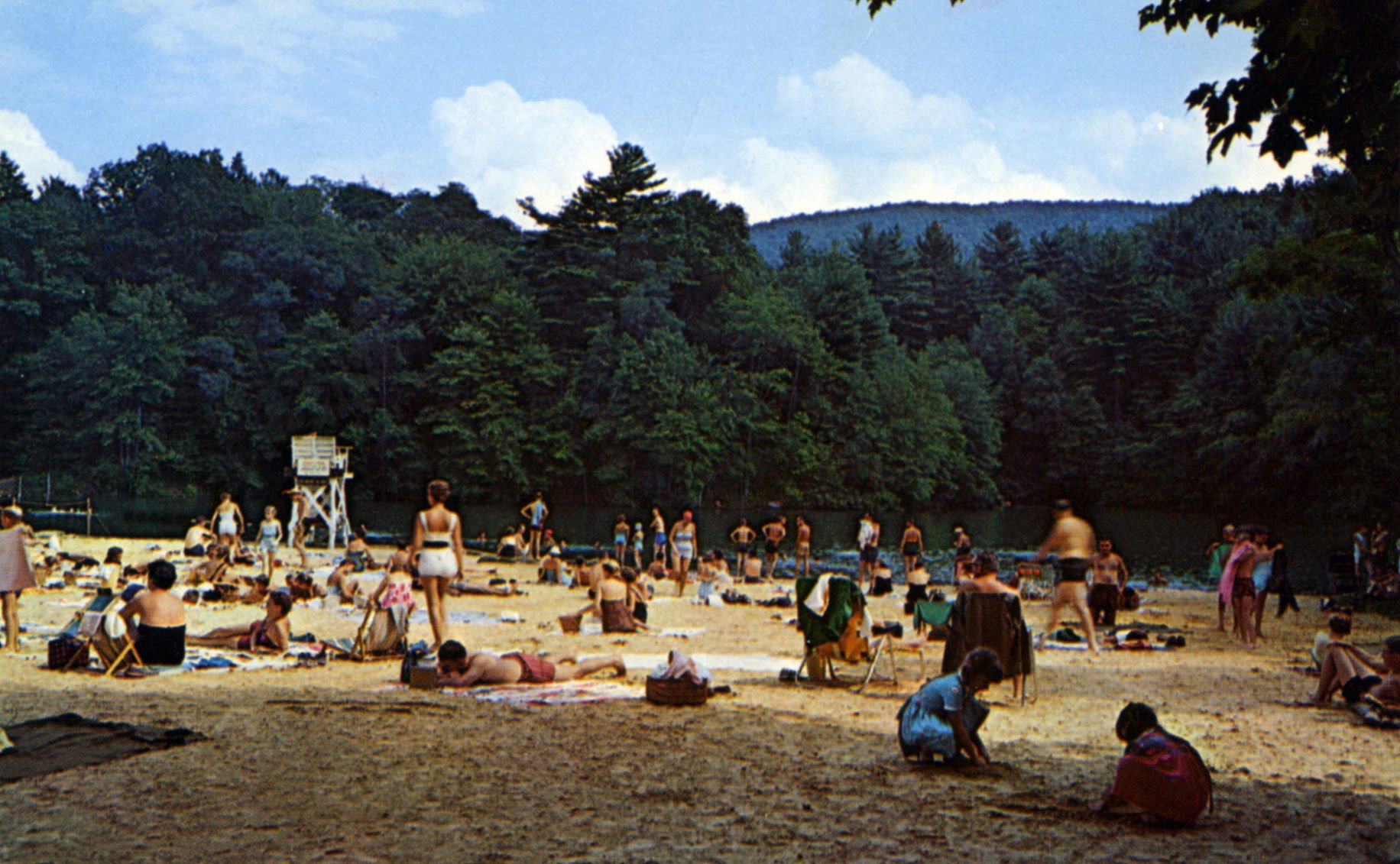
This postcard from 1955 shows a packed beach and swimming area at Fuller Lake.
Generations of local residents have been drawn over the years to the cool water and scenic mountain backdrop of the lakes at Pine Grove Furnace State Park in Cook Township.
While very different in size and scope, both bodies of water share a common history tied to the old iron industry that once flourished in that part of Cumberland County.
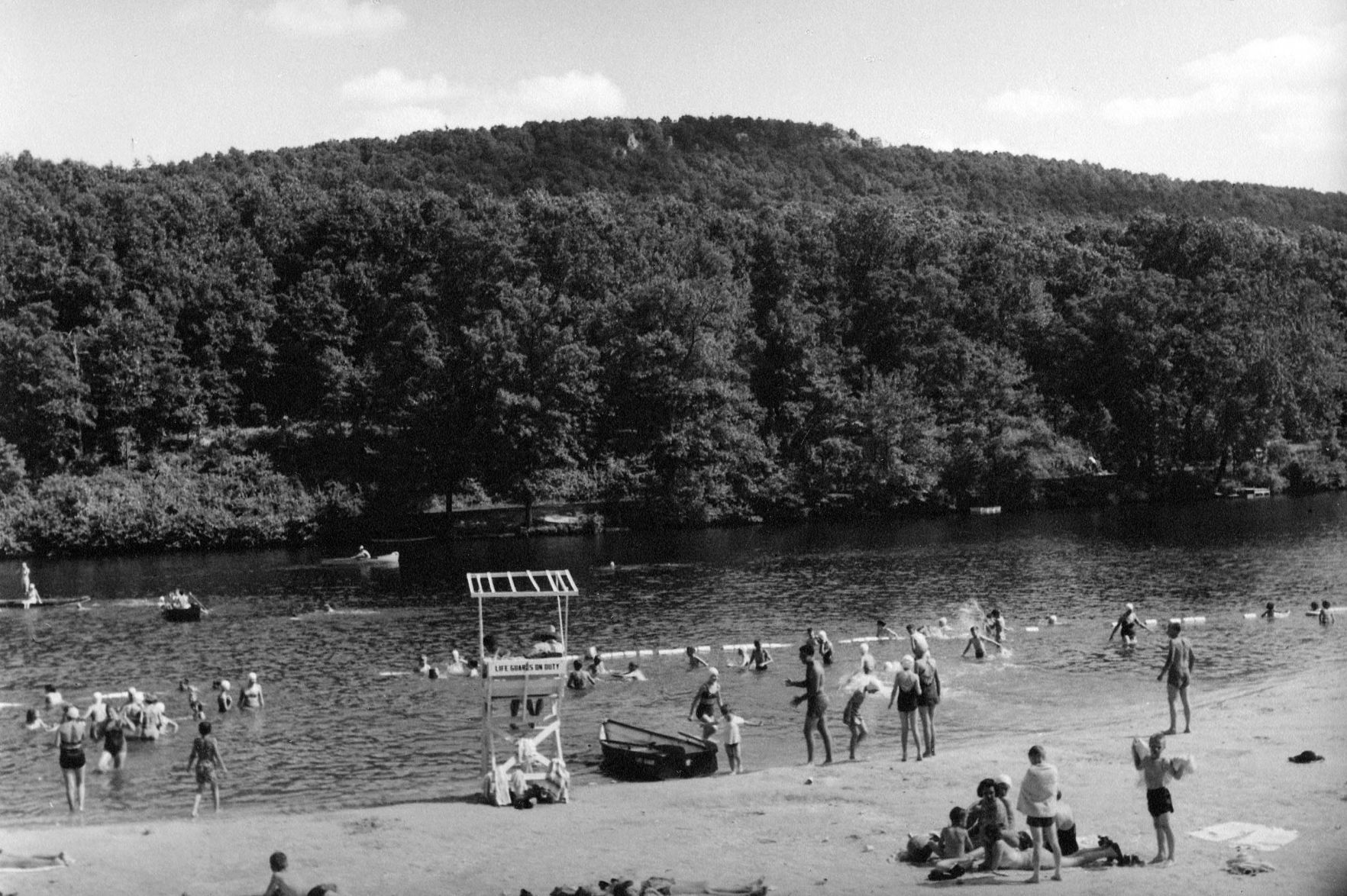
This photo from circa 1960 shows the beach area of Laurel Lake.


History Squared: Key moments in history on the Square in Carlisle
History Squared 1845
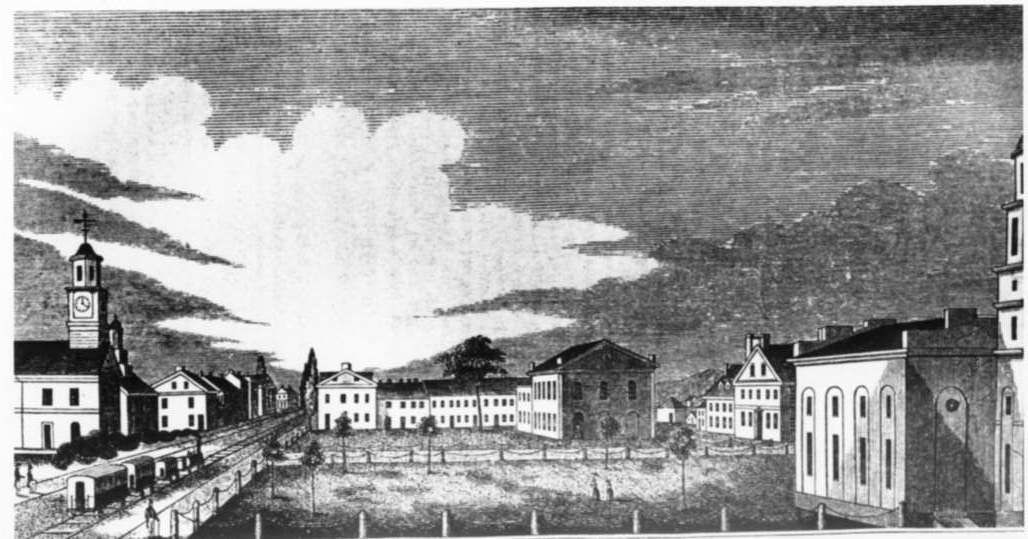
This sketch shows how the Square looked prior to 1845. Buildings from left to right are the original county courthouse and Carlisle town hall, the First Presbyterian Church and St. John's Episcopal Church.
Oct. 4, 1753: Benjamin Franklin, diplomat
There was fear in Carlisle in September 1753. Rumors abounded that Indians on the western frontier of Pennsylvania would ally themselves with the French invading from Canada to the north. Together, they could drive the English colonists into the Atlantic Ocean.
Benjamin Franklin was in the delegation dispatched by Gov. James Hamilton to negotiate a treaty with tribal leaders in Carlisle. As tensions grew between the European powers over control of North America, it became vital to enlist as many tribes as possible in favor of neutrality or an alliance with England.
July 12, 1774: Show of Unity
Freeholders and freemen from across Cumberland County gathered at the First Presbyterian Church in the northwest corner of the Square. The meeting was called after the British Parliament passed the Coercive or Intolerable Acts that closed the post of Boston in retaliation for the Tea Party.
The county men passed resolutions condemning the British for subverting not only the rights and liberties of Boston and Massachusetts residents but those living in all the colonies. The belief among Pennsylvanians was if one port could be closed, other seaboard cities could be shut down, jeopardizing inland commerce and the overall economy.
History Squared 1845
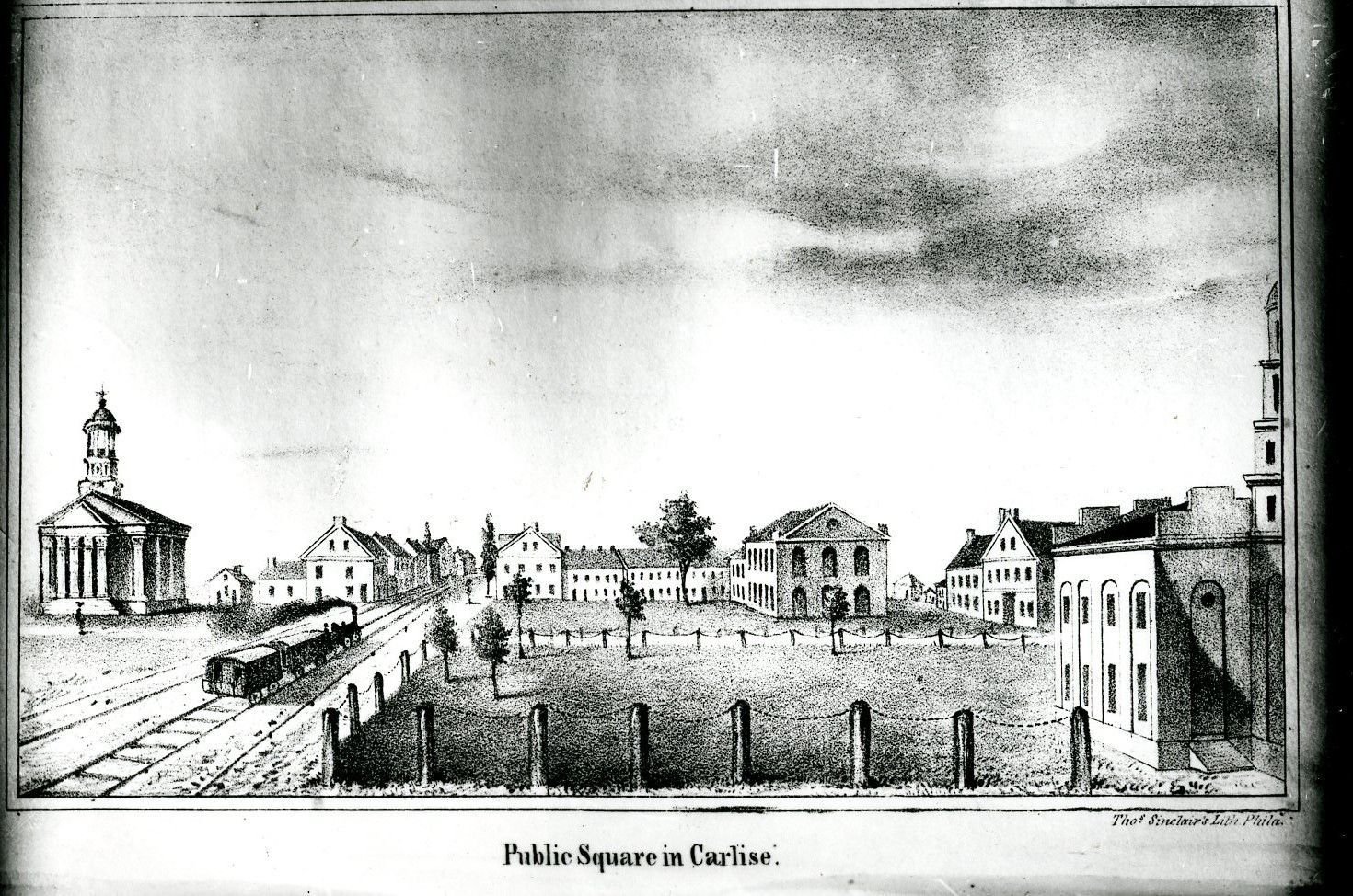
This sketch shows the Square in Carlisle as it looked after 1845. The building on the far left is the old Cumberland County courthouse, which still stands near the southwest corner of the intersection. The First Presbyterian Church is in the middle and St. John's Episcopal Church is on the far right.
Dec. 26, 1787: Constitution riot
The courthouse bell rang at 5 p.m. calling supporters of the federal Constitution to assemble at the Square. The event was organized to celebrate Pennsylvania’s ratification of the founding document. A cannon was hauled over from a nearby tavern and material collected for a bonfire to be lit at dusk.
Not to be outdone, Anti-Federalists gathered to harass the Federalists with shouts and insults. They had opposed the ratification of the Constitution until a Bill of Rights was included to preserve individual rights and state sovereignty. The fuse was lit for violence, which ended with the Federalists being forced to retreat clearing the way for the Anti-Federalists to light the bonfire and throw the cannon into the flames. They also burned an almanac that contained a copy of the Constitution.
Sept. 11, 1794: Whiskey rebels
On March 3, 1791, Congress levied a tax on distilled spirits to pay off Revolutionary War debt, sustain the government and support an army against the Indians. The tax was opposed by farmers in western Pennsylvania who distilled surpluses of grain into alcohol to make it more profitable and easier to transport in bulk to market.
There were ethnic ties connecting these Scotch-Irish farmers to the Cumberland Valley. So when tempers flared on the frontier, ties of kinship, religion and culture brought the conflict to the Carlisle area. On Sept. 8, 1794, protesters put up a liberty pole on the Square with the words “Liberty and No Excise”. The next morning, “friends of good government” took down this symbol of defiance, setting the stage for an even more dramatic demonstration on the Square.
History Squared 1845
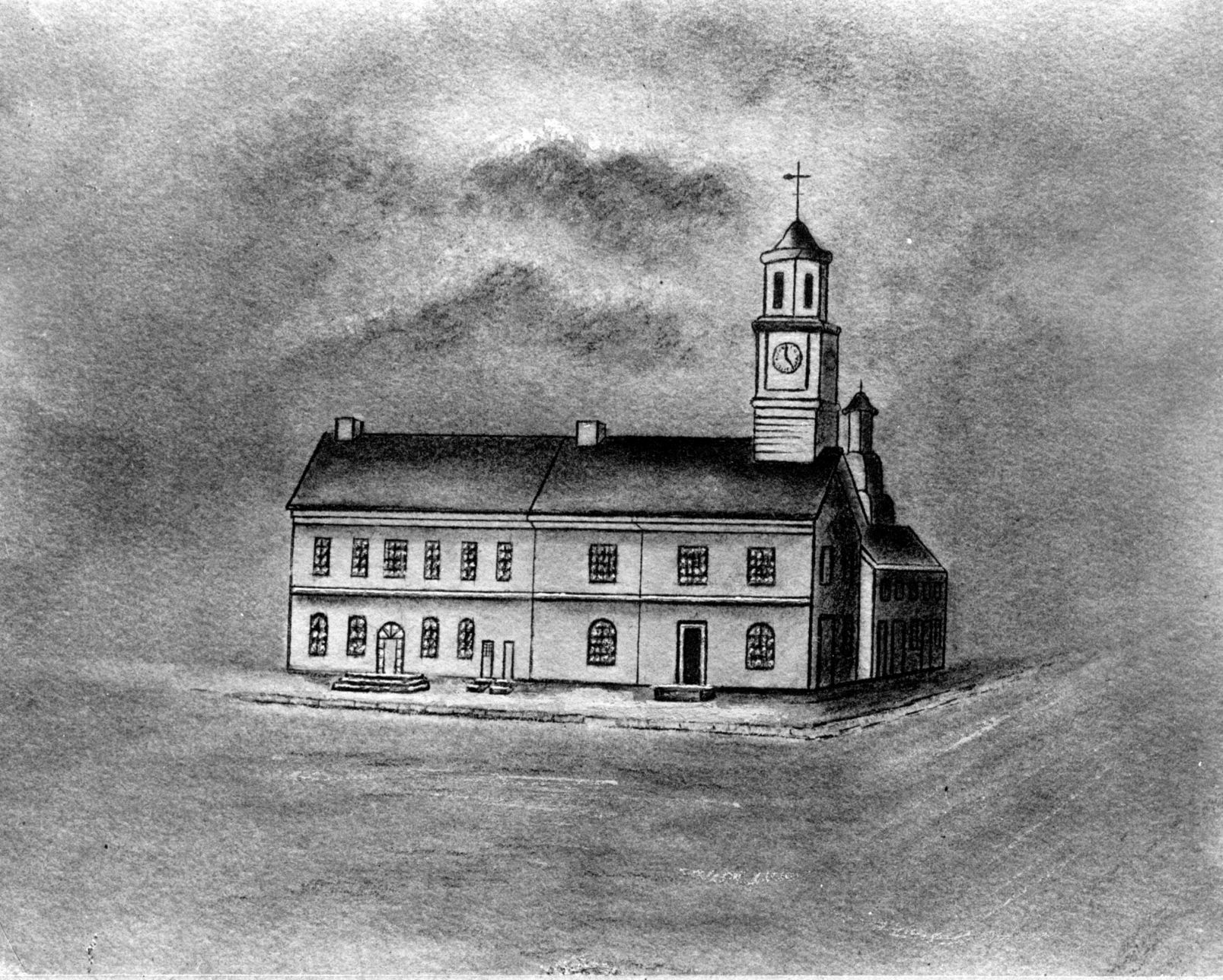
This sketch shows the first county courthouse and Carlisle town hall. Both were destroyed by fire early in the morning of March 24, 1845.
March 24, 1845: Fire destroys government
Carlisle residents awoke to the cry of “Fire!” about 1 a.m. Flames were seen coming from a shed behind the town hall where local volunteer fire companies kept their apparatus. Whoever set the fire knew how to frustrate the first-responders. The fire engines were tied so tightly together, it was impossible for firemen to pull the equipment from storage. Meanwhile, a violent northwest wind fanned the blaze that would reduce Carlisle government to ash.
Flames from the shed quickly spread to the town hall and then to the county courthouse. The buildings were only separated by a few feet. It soon became obvious both main buildings were a lost cause so local residents rallied instead to save adjoining buildings. They climbed ladders to roofs, carried buckets of water and laid down wet blankets to prevent sparks carried on the wind from touching off more fires.
June 3, 1847: McClintock slave riot
Mid-19th century Carlisle had more southern leanings than northern. Trade routes through Cumberland County went south and southwest. Southerners spent summers at nearby resorts. Half the Dickinson College student body was from the South along with many of the officers stationed at Carlisle Barracks.
A riot took place in front of the Old Courthouse on June 3, 1847. It started after free blacks made a rush for a woman and a child who had just been released by the court into the custody of two slave owners. The blacks were able to rescue and spirit the fugitives away. In the ensuing brawl, the crowd assaulted one of the slave owners.
History Squared 1963
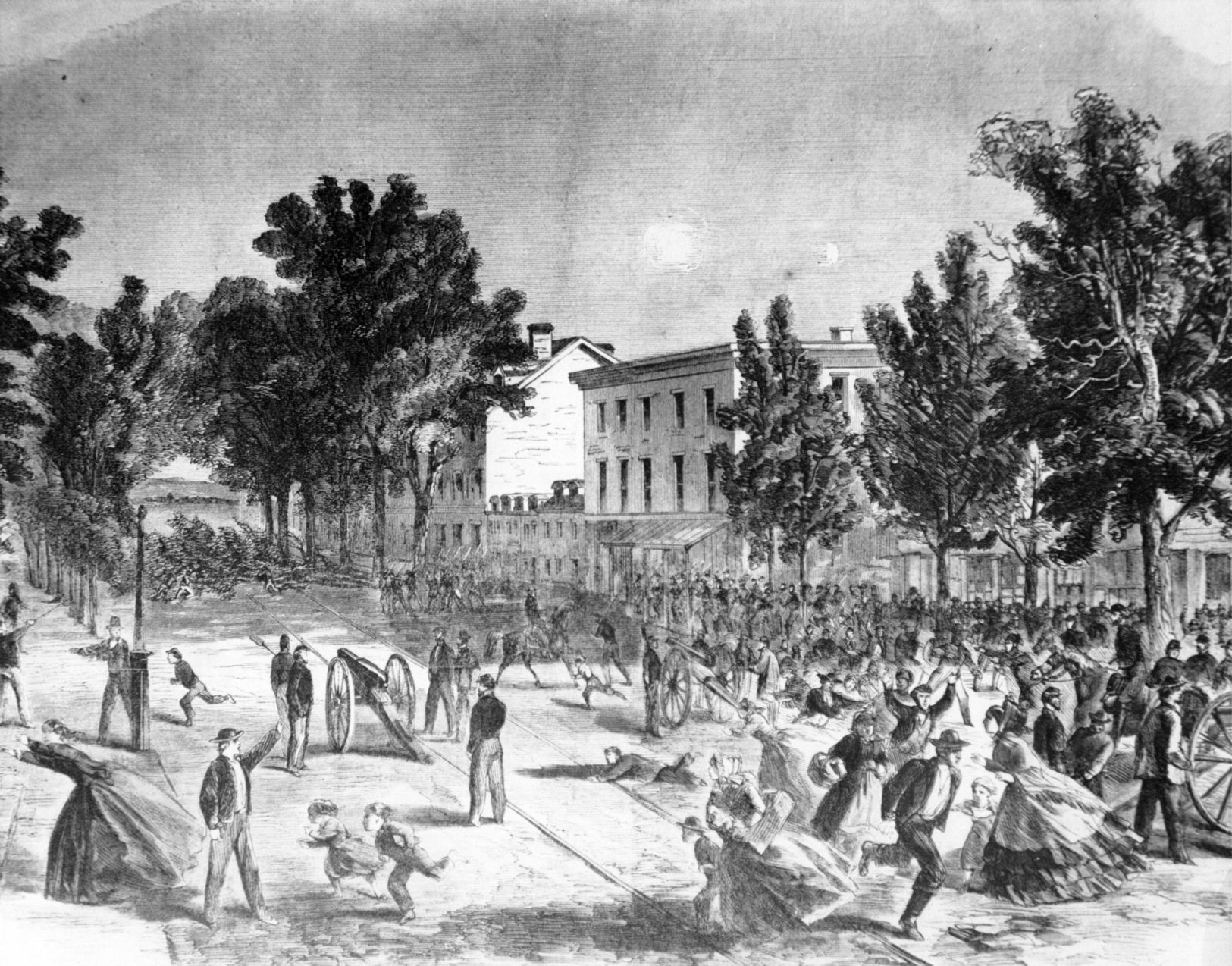
The scene of the first block of East High Street during the July 1, 1863, shelling of Carlisle.
July 1, 1863: Shelling of Carlisle
The sudden appearance of Confederate cavalry on the edge of downtown Carlisle crashed an impromptu party being held for hungry and tired Union soldiers relaxing in the Square. It was about 7 p.m. on July 1, 1863, and a panic came over the population as the men scrambled to form units and retrieve the weapons they had stacked just west of the Old Courthouse. When the Yankee commander rejected a Rebel demand for unconditional surrender, horse artillery commenced a shelling of Carlisle that struck numerous buildings.
Confusion was the order of the day that summer when the Confederate Army of Northern Virginia invaded Pennsylvania with the goal of capturing Harrisburg. But as the campaign developed, the focus turned to Gettysburg, a crossroads town in Adams County. For several days in late June, Confederate forces occupied Carlisle and demanded local civilians deposit food rations and other supplies at the Market House on the Square.
March 16, 1867: People vs. Carlisle Barracks
Open hostility once existed between soldiers at Carlisle Barracks and civilians in town. Back then, the post was operated by a small staff. As a result, training was inadequate and discipline poor. Come payday, unsavory soldiers visited the saloons, dancehalls and brothels of Carlisle’s east end where they mixed it up with townsfolk out to cause a ruckus. The lingering frustration exploded on March 16, 1867, which was an election day.
It started early that evening when Augustus Hamill and John Gilmer got into a fight with two soldiers in the Square. The men bested the soldiers who returned to the post. A group of 25 to 50 soldiers assembled at the Barracks around 8 p.m. armed with carbines, sabers and revolvers. They marched to the Square arriving at the railroad tracks facing the north side of the Old Courthouse. There, civilians had gathered to await election returns.
Dec. 27, 1951: Spare the Market House
Carlisle was in an uproar after the borough council on Nov. 28, 1951, decided to close the Market House following an undisclosed order by the Department of Labor and Industry deeming it unsafe. The decision was made without prior public notice, sparking such outrage that about 350 local residents gathered at the Old Courthouse on Dec. 27 to adopt a resolution to force the council to postpone a plan to demolish the Market House.
This set in motion weeks of research by local attorneys looking for any document in support of the opposition. They found plans and letters from the Penn family dating back to when Carlisle was laid out. This research formed the basis of a lawsuit filed against the borough on Feb. 29, 1952.
History Squared 1955

This photo from August 1955 shows the interior of the courtroom of the old Cumberland County courthouse after the shooting that killed a Carlisle attorney.
Aug. 2, 1955: Courtroom shooting
The heat was oppressive the day local residents heard gunshots through the open windows of the second-floor courtroom of the Old Courthouse on the Square. It was about 12:36 p.m. on Aug. 2, 1955. Within 45 minutes, an attorney would be dead and three other victims hospitalized. Seven weeks later, on Sept. 23, Percy Haines would be tried for murder in the same courtroom where he pulled out a handgun and mortally wounded John D. Faller Jr.
A Newville area farmer, Haines at age 60 was just handed what he called “a raw deal in court.” County Judge Mark Garber had completed a nonsupport hearing during which he ordered Haines to pay his estranged wife Lulu Haines $50 a month. Within minutes, Haines drew a revolver from a pouch he had sewn into his clothing and fired four shots, wounding Faller, Garber, Lulu and her attorney George Black of Chambersburg.
History Squared 1865
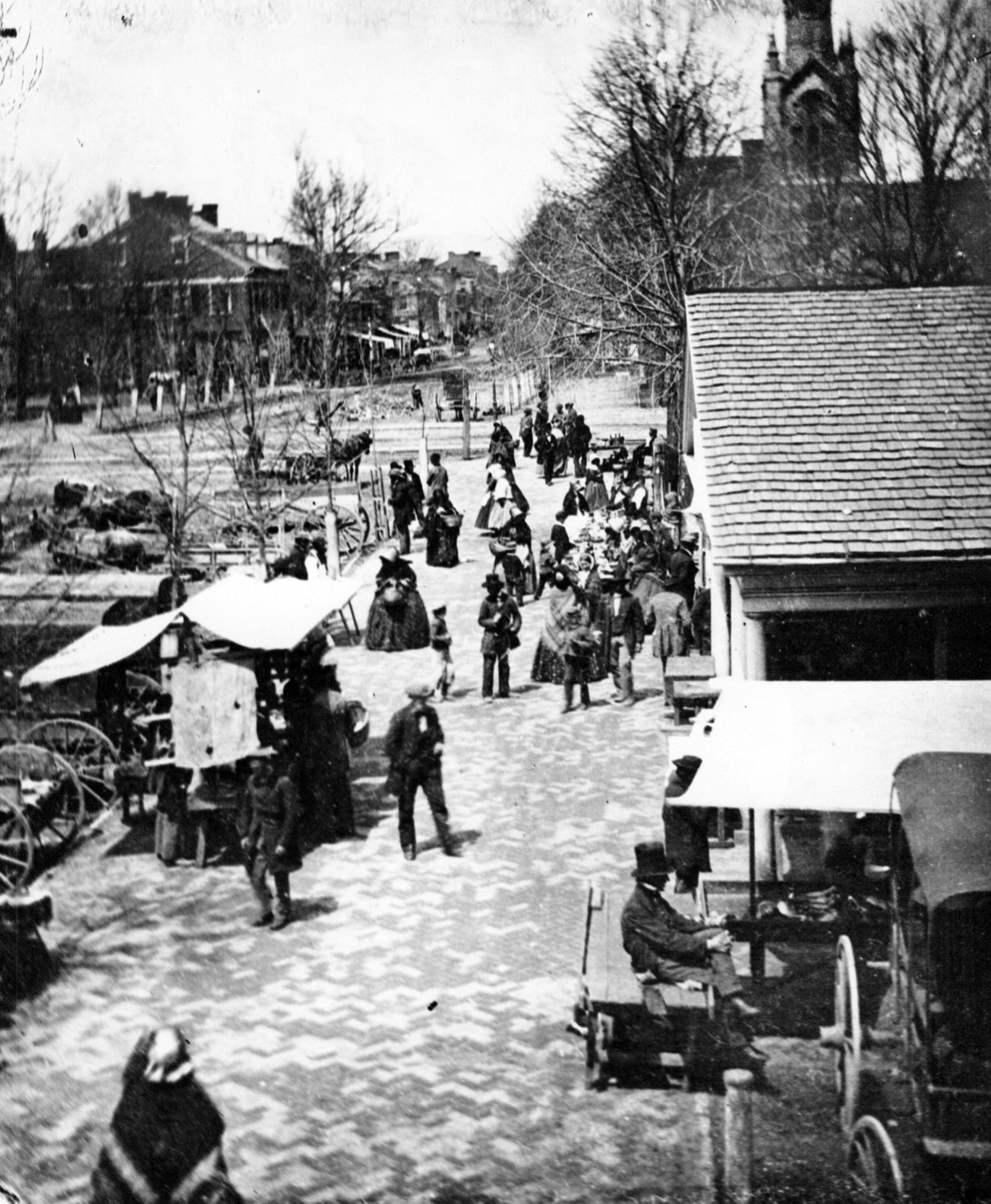
This photograph from 1865 shows the Square in Carlisle on Market Day.
The Good Old Summertime (1806): The present-day Cumberland Ag Expo started out as Carlisle Fair
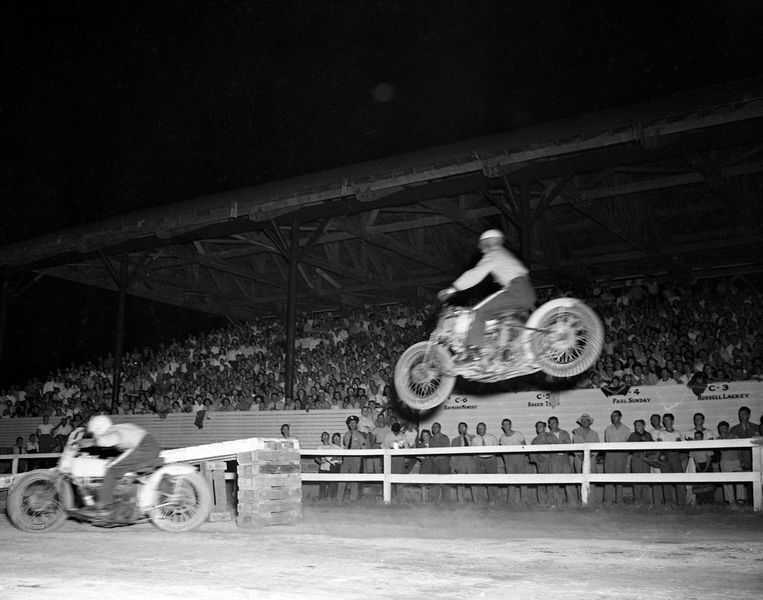
Motorcyclists race and perform stunts for the crowd during the 1947 Carlisle Fair.
A fair was held on May 13 of that year and went for two days “for the sale of horses, cows, sheep and swine, cheap goods and merchandise.”
The historical record assumes the clerk of the local farmers market managed the Carlisle Fair until 1820 when the Cumberland County Agricultural Society was organized. This society was formalized in 1844 under the leadership of Frederick Watts, a Carlisle area judge, attorney and gentleman farmer who was instrumental in establishing the Farmers High School in Centre County or what would later become Penn State University.

Famous Firsts of Cumberland County: 12 pivot points in history
Famous Firsts of Cumberland County Day One: 1752 – First Communion in the New World in Silver Spring Township
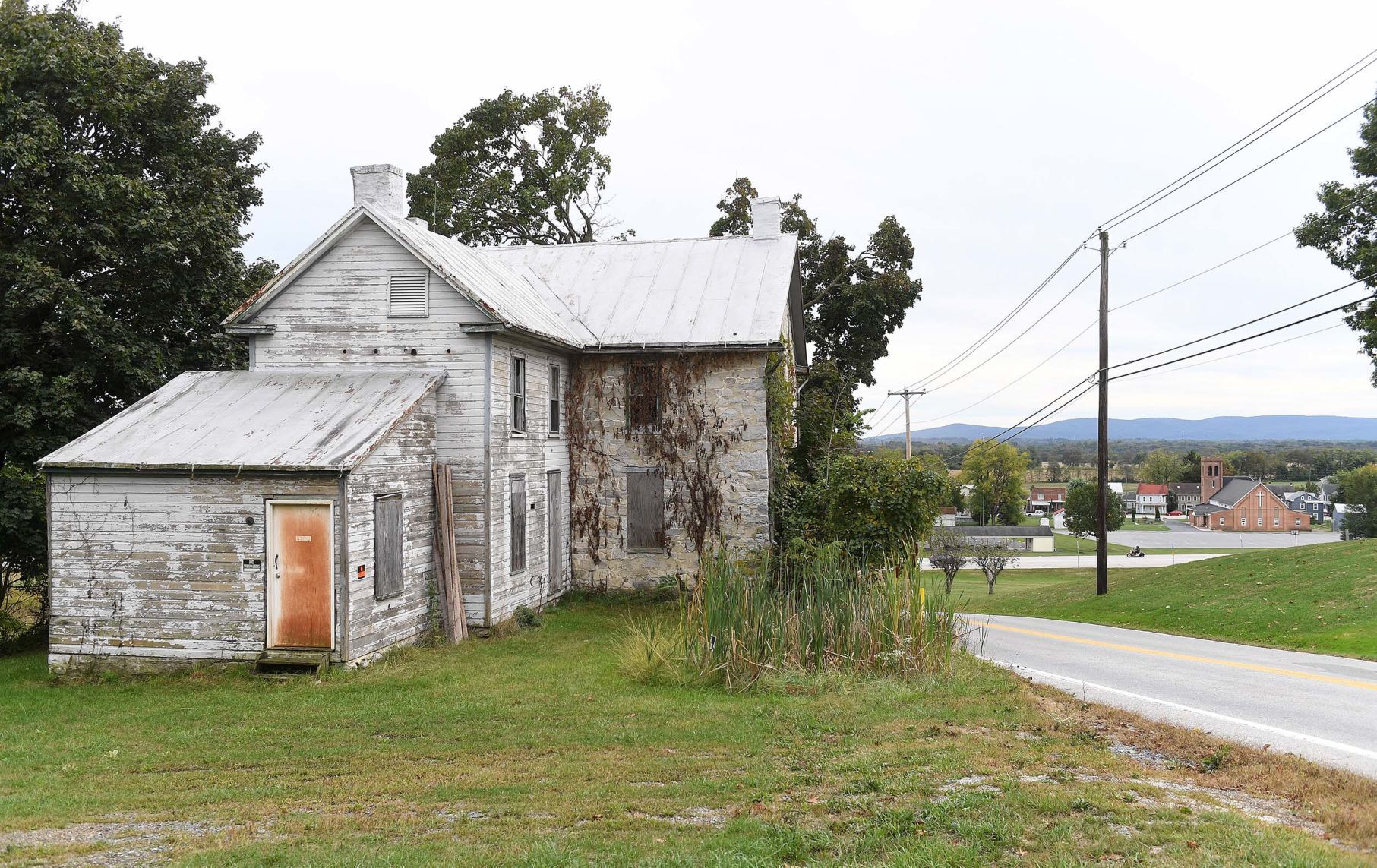
The Joseph Junkin House at 336 N. Locust Point Road in New Kingstown
New Kingstown in Silver Spring Township was the host site of the first worship service of the Scots Covenanters faith in the New World.
The Covenanters predate the Presbyterian Church of Scotland as a Protestant group with Calvinistic principles founded in 1638, according to an article published in the winter 1992 edition of the journal Cumberland County History.
Famous Firsts of Cumberland County Day Two: 1775 - First Colonel of U.S. Army
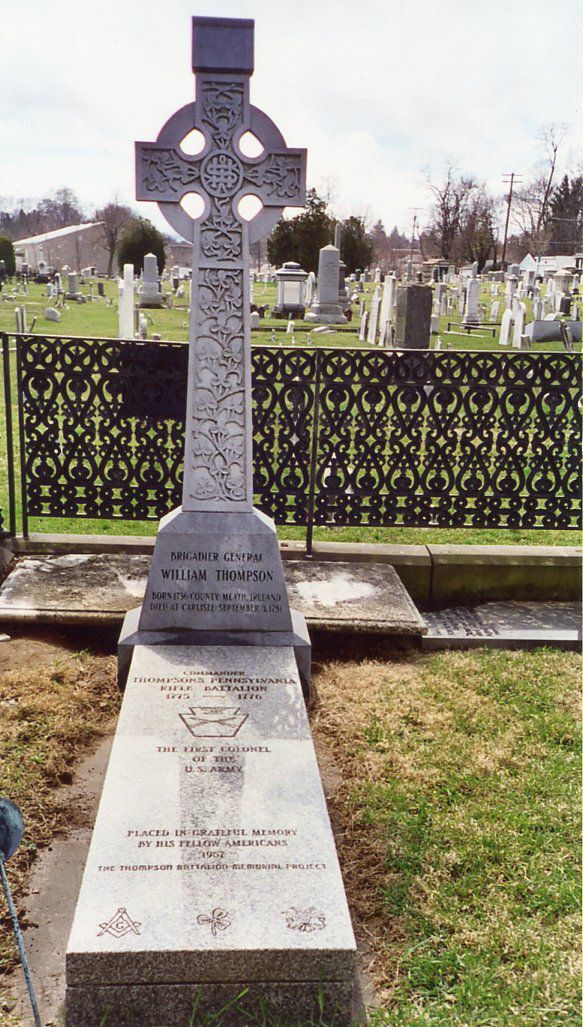
The burial site of William Thompson, the first colonel of the U.S. Army, is in the Old Graveyard in Carlisle.
William Thompson wore many hats, but his most significant role was as the first colonel of the fledgling U.S. Army.
An Irish immigrant with ties to Carlisle, he was a soldier during the French and Indian War, a surveyor of Pennsylvania’s western frontier and an early lawmaker from newly created Bedford County.
Famous Firsts of Cumberland County Day Three: 1777 - First among namesakes of Cumberland County history
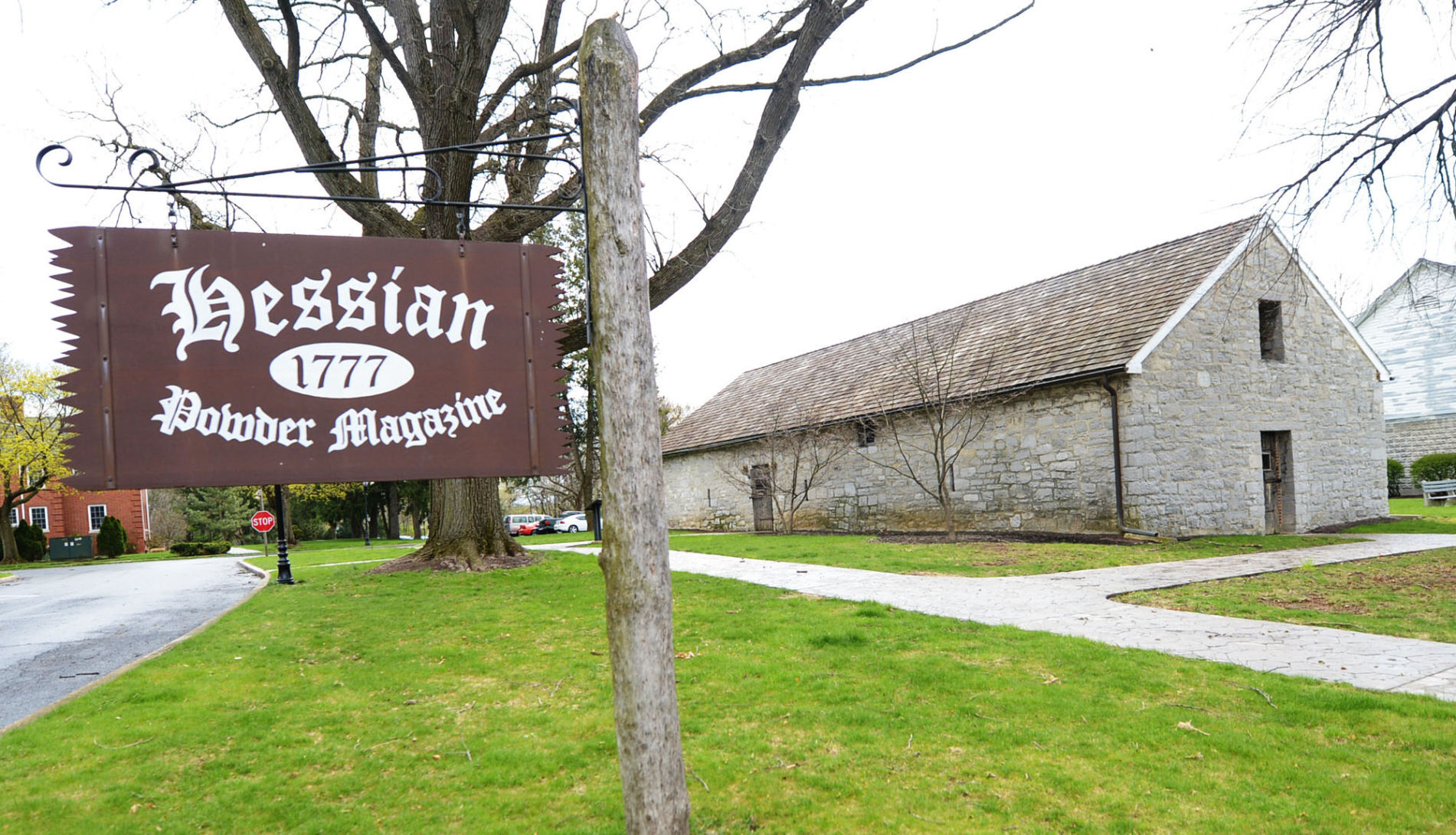
The Hessian Powder Magazine at Carlisle Barracks is a remnant of what was once Washingtonburg, a logistics base during the Revolutionary War.
For much of its history, Carlisle has served as a strategic transportation hub with strong military ties.
In its early days as a British outpost, the town was a vital supply depot in the defense against Indian attacks on the frontier. It was from Carlisle that Brig. Gen. John Forbes launched his expedition in July 1758 that forced the French to abandon Fort Duquesne.
Famous Firsts of Cumberland County Day Four: 1785 — First newspaper west of Susquehanna River
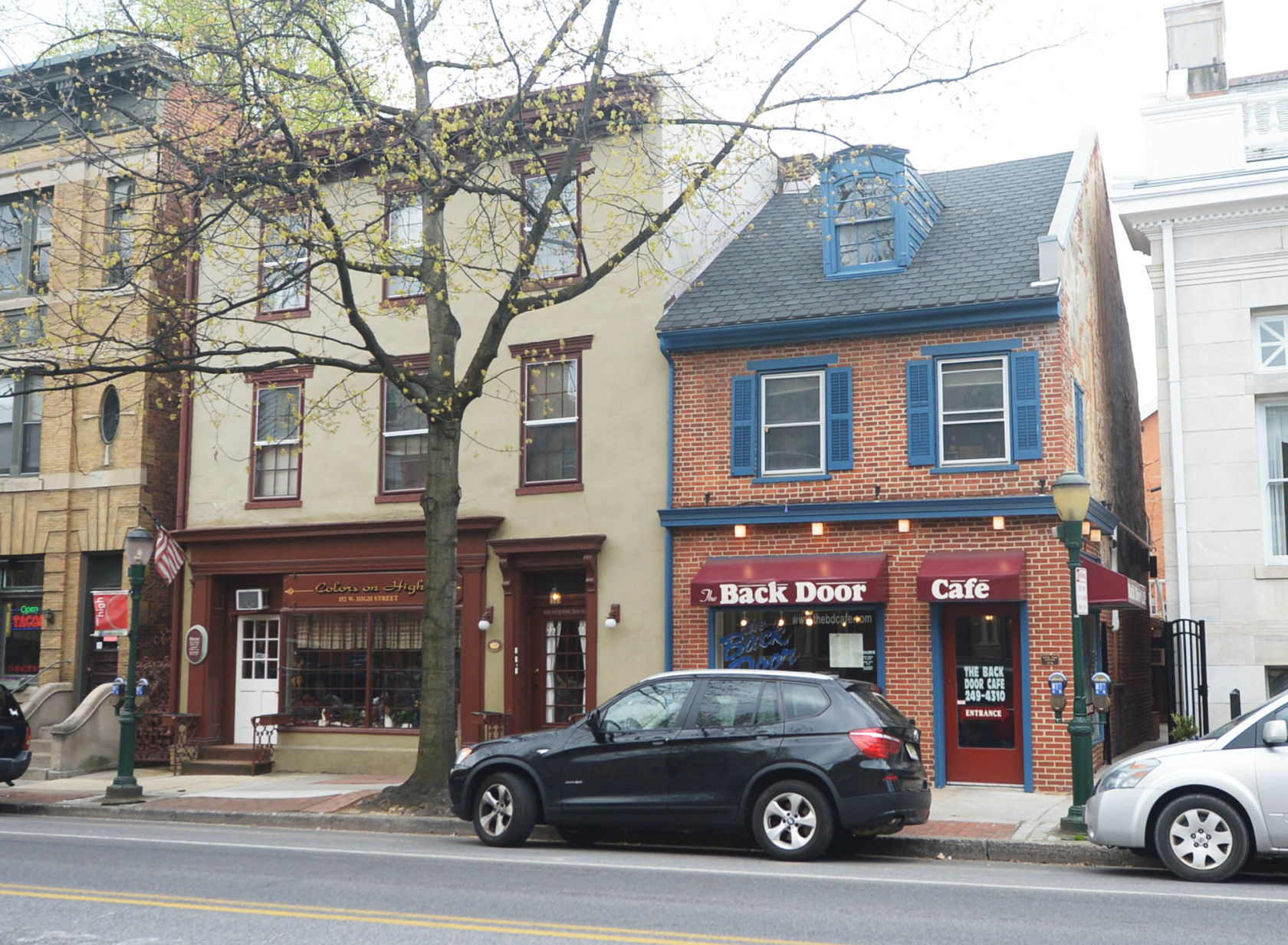
This building at 152-154 West High Street in Carlisle once housed Kline's Carlisle Weekly Gazette.
It was a rather bold name for a weekly newspaper published on the fringe of what passed for civilization in late 18th century Pennsylvania.
The Carlisle Gazette and Western Repository of Knowledge had a brief run until its owner, George Kline, changed the name to Kline’s Carlisle Weekly Gazette.
Famous Firsts of Cumberland County Day Five: 1825 - Founder of color printing in America
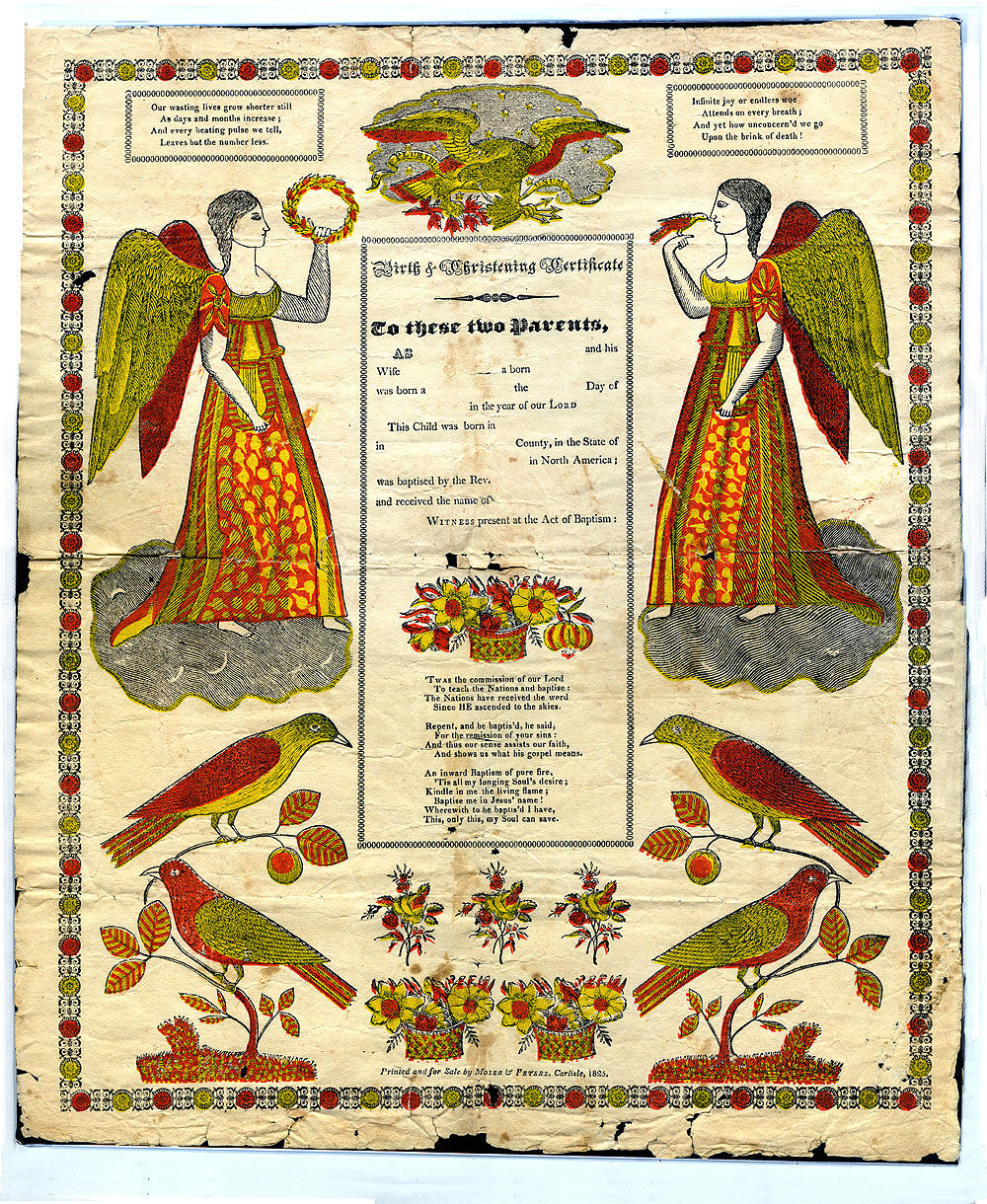
The color illustration by Carlisle printer Gustav Samuel Peters is from the Taufschein, a book of Pennsylvania German birth and baptismal certificates.
Once upon a time, books had no color, only black and white illustrations.
In America, that changed in 1825, when a print shop in Carlisle published a new version of the Hoch-Deutsches Abc (High German ABC), a religious primer used to teach children the alphabet in parish schools before public education was instituted.

Famous Firsts of Cumberland County Day Six: 1836 — First chartered public school in Pennsylvania
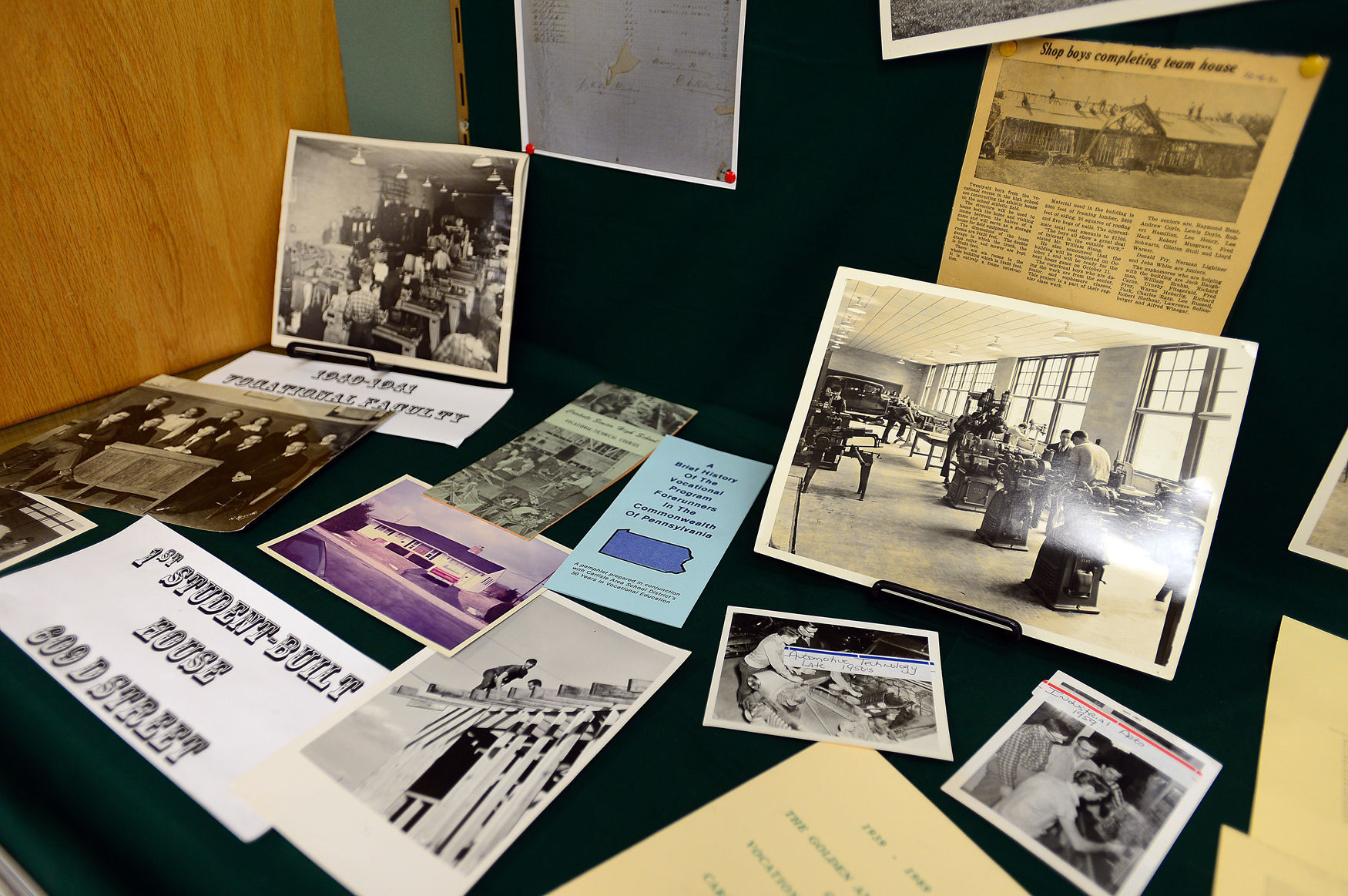
The 2015-2016 school year marked the 180th anniversary of the formation of the Carlisle school district. In celebration, Kevin Wagner, program chair of the social studies department, assembled a collection of vintage yearbooks, notebooks, class photographs and report cards that was displayed in a case in the main entrance of the Fowler building of Carlisle High School.
It seemed a natural fit for the Carlisle area to be on the forefront of a new movement in education.
“New ideas always seem to come from the frontier,” said Kevin Wagner, a social studies teacher at Carlisle High School. “The town was so rich in history to begin with.”

Famous Firsts of Cumberland County Day Seven: 1838 - First sleeper train car in America
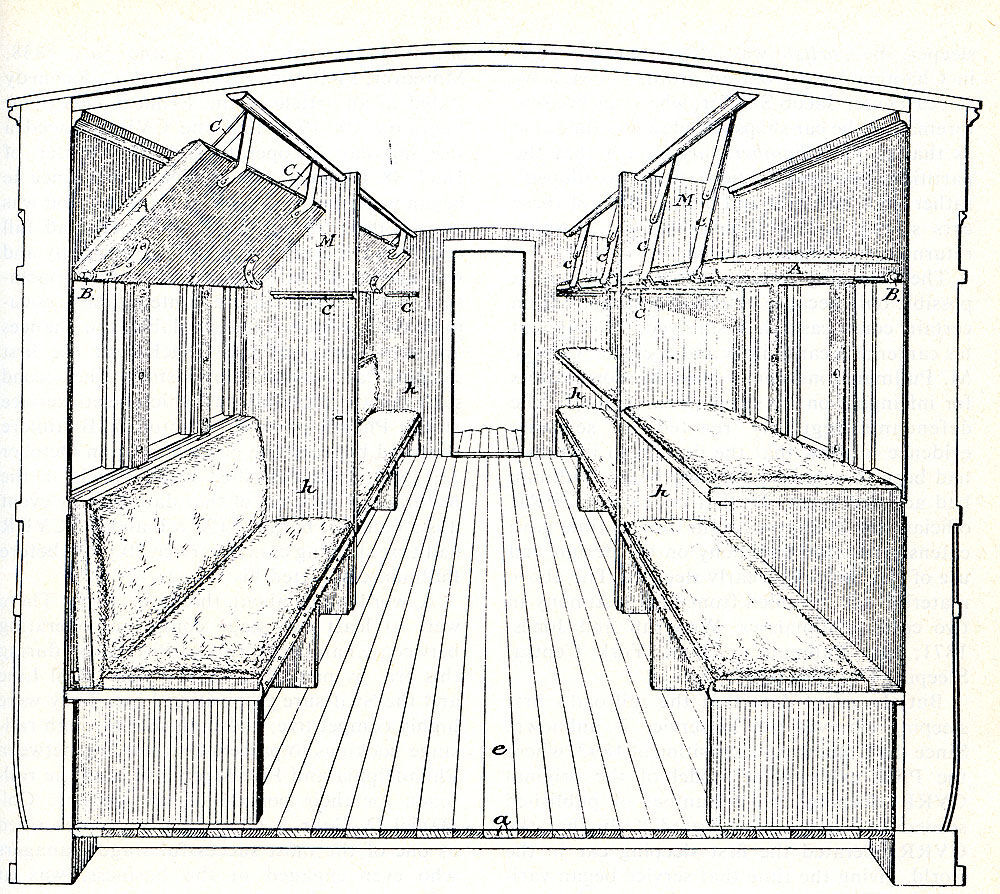
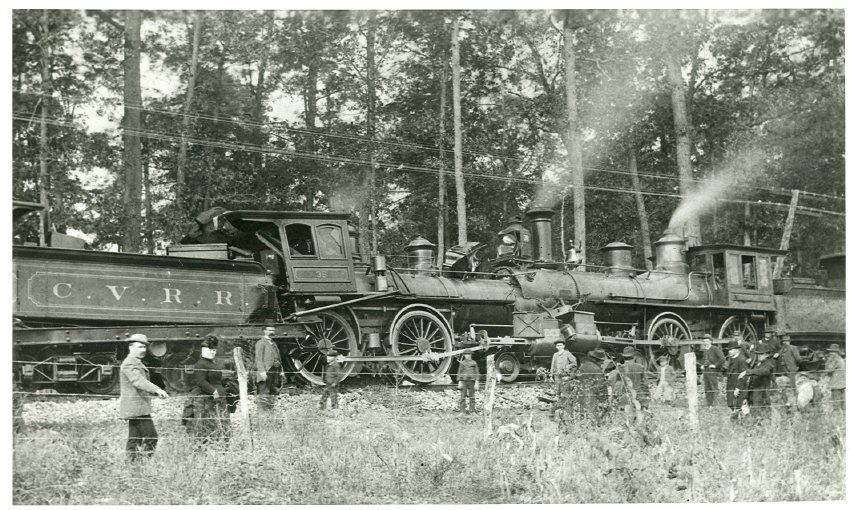
The diagram above shows the interior features of the Chambersburg, the first sleeper car in use by the Cumberland Valley Railroad.
Philip Berlin was on the eastbound train to Philadelphia when he talked to the weary traveler.
The person had just spent 36 hours on a stagecoach from points west of Pittsburgh to Chambersburg to hitch a ride on the Cumberland Valley Railroad, of which Berlin was the supervising manager.


Famous Firsts of Cumberland County Day Eight: 1872 - First version of the telephone
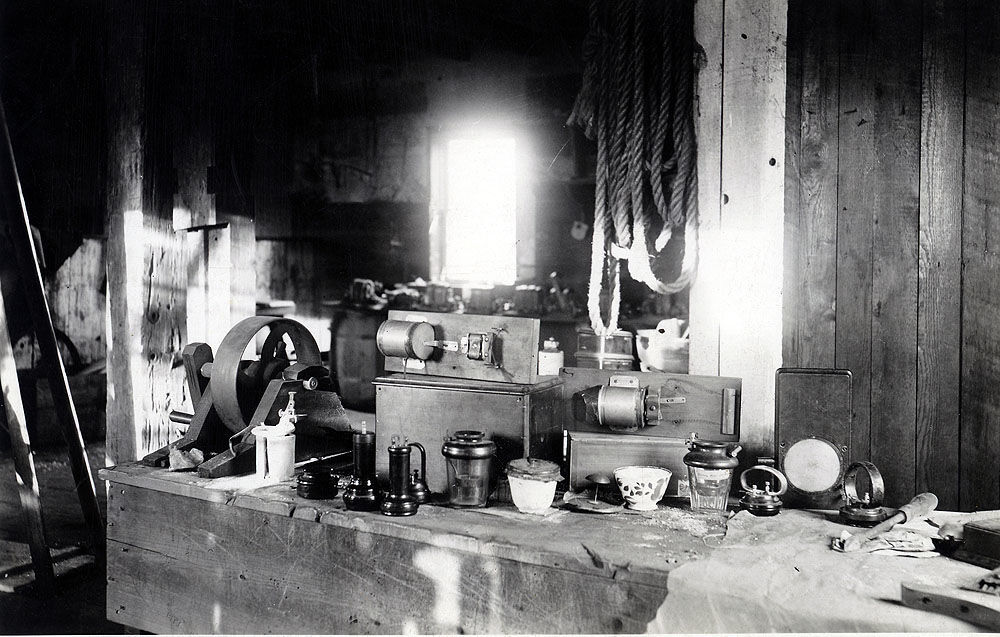
The components of early prototypes of the telephone sit on a table in the workshop of Daniel Drawbaugh, a Lower Allen Township tinkerer and inventor.
Photo courtesy of the Cumberland County Historical Society
The tonal quality was so distinctive, the boy could have been standing in the room, but instead he was two flights down in the cellar of the workshop in Lower Allen Township.
Michael Smyser was on the witness stand, recalling that moment from 1872 when he became a true believer in the technical know-how of Daniel Drawbaugh, the Wizard of Eberly’s Mill.

Famous Firsts of Cumberland County Day Nine: 1909 - First Christmas savings club in the financial world
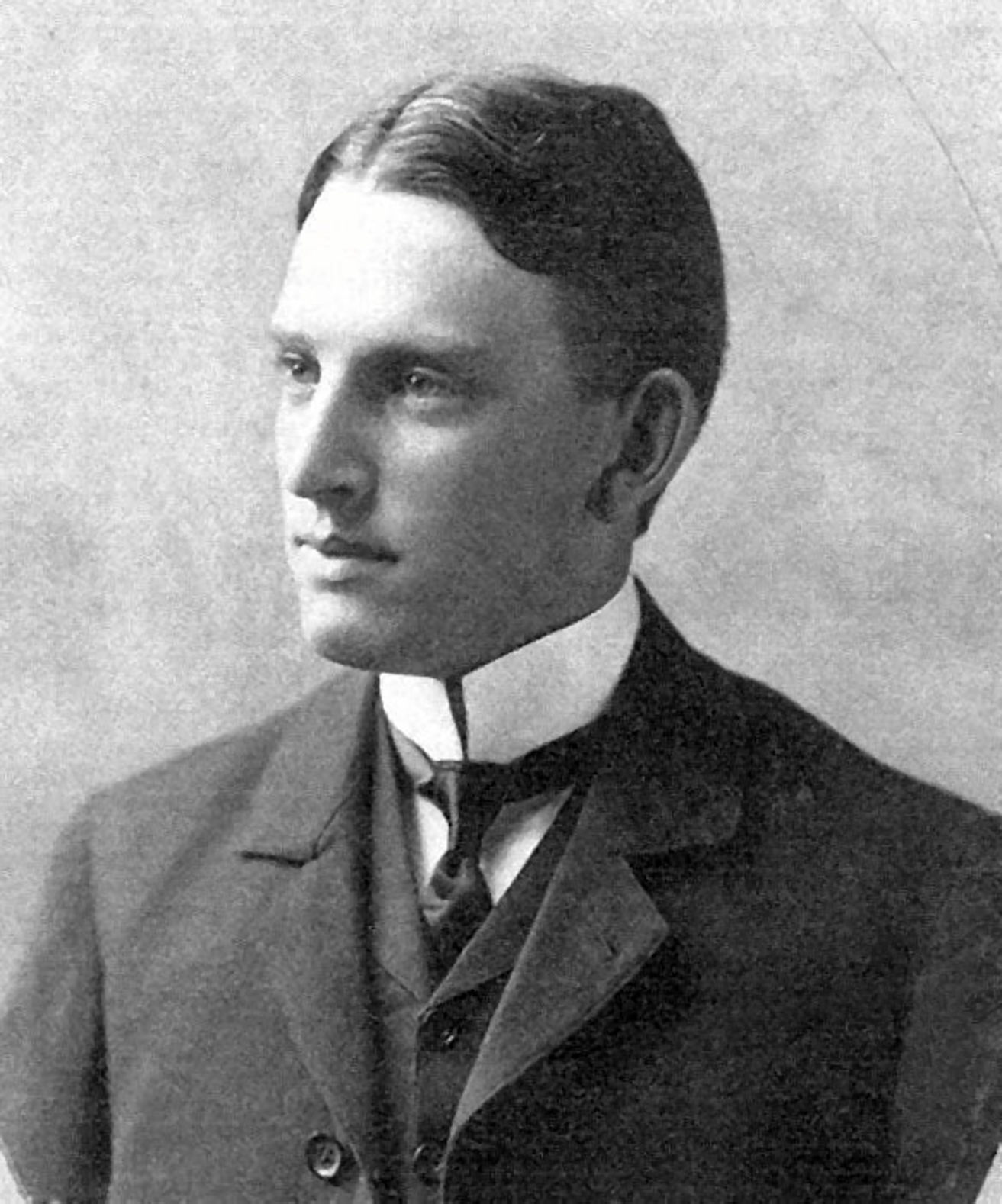
Merkel Landis is pictured, circa 1901.
Three wise men gave Merkel Landis the gift of innovation one snowy Saturday evening in December 1909.
The trio of shoe factory workers came into his office at the Carlisle Trust Co., where Landis worked as treasurer.
Famous Firsts of Cumberland County Day 10: 1920 - Newville hosts first state police training academy in the U.S.

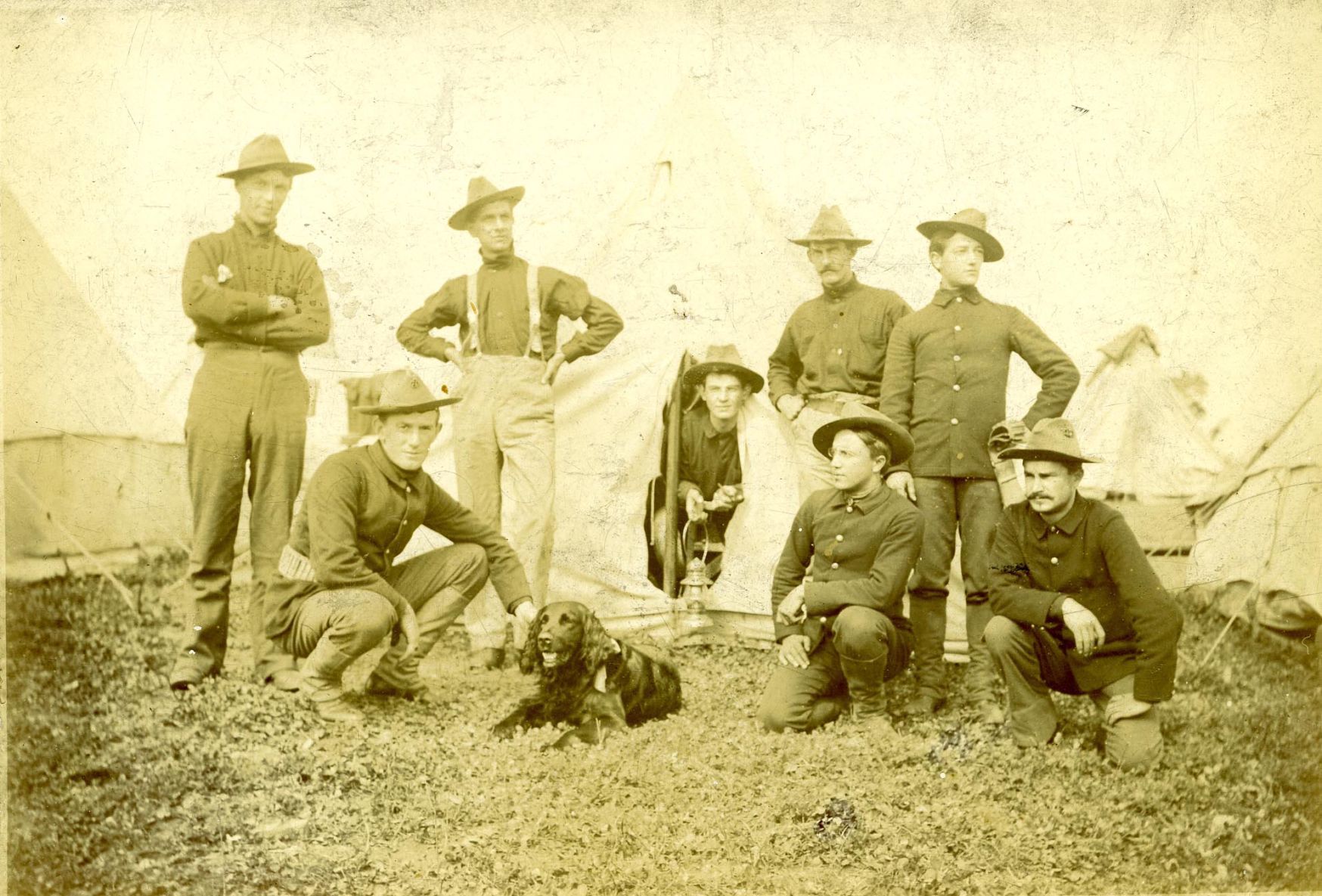
A contingent of mounted state troopers make their way down a street in Newville circa 1920.
History came to Newville on Feb. 9, 1920, with the announcement that the town had been selected as the host site of a training academy.
The Pennsylvania State Police signed a three-year lease with landlord George Frey, owner of the Big Spring Hotel at Big Spring Avenue and Walnut Street. Soon, the first floor was converted into office space, a gymnasium, dining facilities and a recreation room while the upstairs guest rooms became the sleeping quarters for recruits.

Famous Firsts of Cumberland County Day 11: 1923 - First market in the Giant Co. supermarket chain
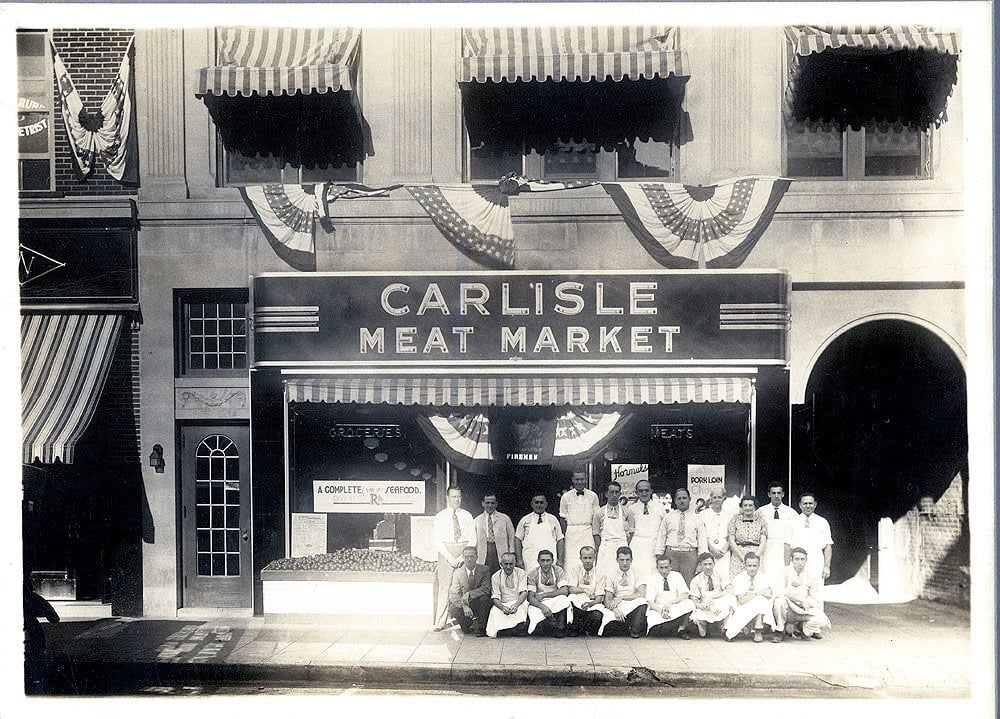
The first market in what became the Giant Co. supermarket chain was this butcher shop in downtown Carlisle.
The Giant Co. supermarket chain can trace its origins back to the Carlisle Meat Market, a two-man butcher shop that opened in 1923 at 18 N. Hanover St. in downtown Carlisle. The Sentinel included the origin story in an article published on June 4, 2000.
Founder David Javitch got his start in business from his father-in-law, a Russian immigrant turned entrepreneur named Yale Hervitz, who obtained a loan from a Middleton bank which he used to purchase beef cattle from Milton Hershey and to start a meat processing business. As part of his marriage agreement to Jean Hervitz, Javitch agreed to move from his native Cleveland to the Carlisle area.
Famous Firsts of Cumberland County Day 12: 1940 - First segment of the America's first superhighway
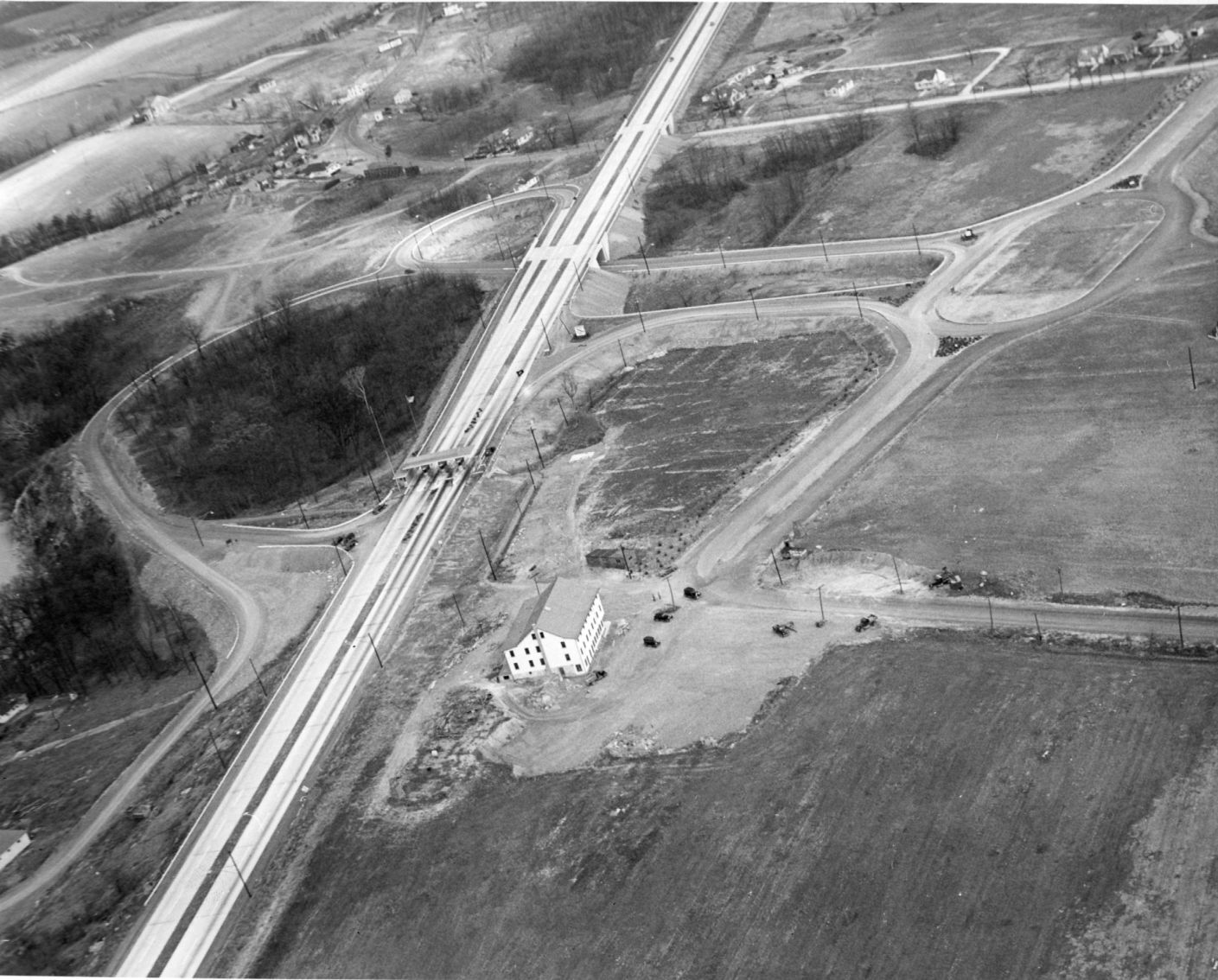
Above is an aerial view of the Carlisle interchange of the Pennsylvania Turnpike, circa 1940. The photo is by Richard L. Arnold.
It was just after midnight and the first 25 cars were lined up outside Carlisle to travel west on the Pennsylvania Turnpike.
One hundred or so people were on hand to witness the marvel of a four-lane $70 million concrete roadway that stretched from the vicinity of K Street to Pittsburgh.


The Good Old Summertime (1803): Healing waters turned Doubling Gap into a mountain resort
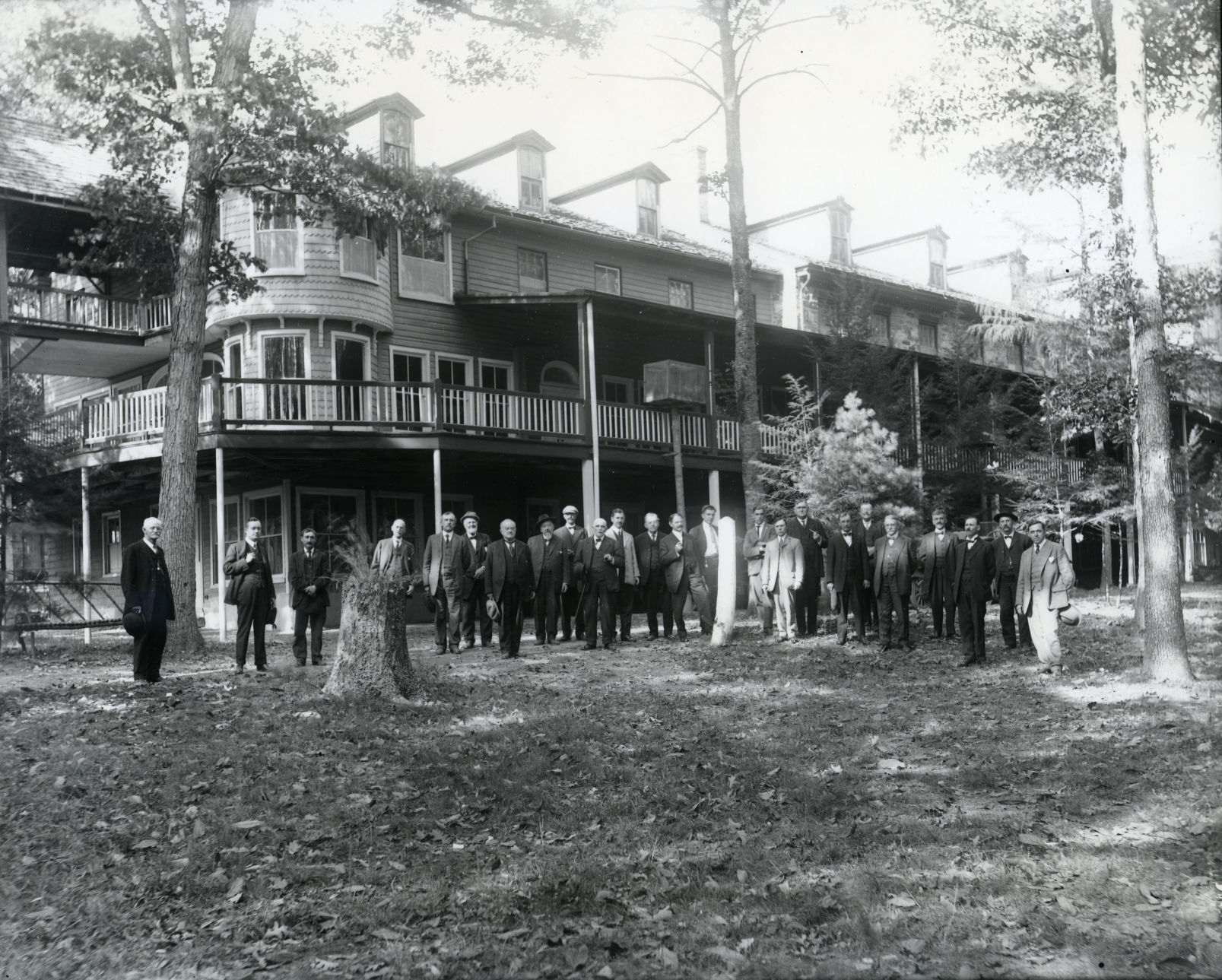
Members of the Cumberland Valley Historical Club gather in front of the hotel in Doubling Gap in early October 1914.
Legend has it the outlaw had an arrangement with Nicholas Howard.
If the woods were clear of lawmen, the innkeeper would raise a flag from an upper window of the Doubling Gap Sulphur Springs Hotel.


The Good Old Summertime (1792): Carlisle Springs once hosted popular health resort

This illustration shows the Carlisle Springs Hotel.
Any deep dive is bound to make a splash followed by a ripple.
Throughout its history, Cumberland County has played host to a variety of getaway destinations often built around such natural features as mineral springs, inland lakes and waterways.
Famous Firsts of Cumberland County: 12 pivot points in history
Famous Firsts of Cumberland County Day One: 1752 – First Communion in the New World in Silver Spring Township
The Joseph Junkin House at 336 N. Locust Point Road in New Kingstown
New Kingstown in Silver Spring Township was the host site of the first worship service of the Scots Covenanters faith in the New World.
The Covenanters predate the Presbyterian Church of Scotland as a Protestant group with Calvinistic principles founded in 1638, according to an article published in the winter 1992 edition of the journal Cumberland County History.
Famous Firsts of Cumberland County Day Two: 1775 - First Colonel of U.S. Army
The burial site of William Thompson, the first colonel of the U.S. Army, is in the Old Graveyard in Carlisle.
William Thompson wore many hats, but his most significant role was as the first colonel of the fledgling U.S. Army.
An Irish immigrant with ties to Carlisle, he was a soldier during the French and Indian War, a surveyor of Pennsylvania’s western frontier and an early lawmaker from newly created Bedford County.
Famous Firsts of Cumberland County Day Three: 1777 - First among namesakes of Cumberland County history
The Hessian Powder Magazine at Carlisle Barracks is a remnant of what was once Washingtonburg, a logistics base during the Revolutionary War.
For much of its history, Carlisle has served as a strategic transportation hub with strong military ties.
In its early days as a British outpost, the town was a vital supply depot in the defense against Indian attacks on the frontier. It was from Carlisle that Brig. Gen. John Forbes launched his expedition in July 1758 that forced the French to abandon Fort Duquesne.
Famous Firsts of Cumberland County Day Four: 1785 — First newspaper west of Susquehanna River
This building at 152-154 West High Street in Carlisle once housed Kline's Carlisle Weekly Gazette.
It was a rather bold name for a weekly newspaper published on the fringe of what passed for civilization in late 18th century Pennsylvania.
The Carlisle Gazette and Western Repository of Knowledge had a brief run until its owner, George Kline, changed the name to Kline’s Carlisle Weekly Gazette.
Famous Firsts of Cumberland County Day Five: 1825 - Founder of color printing in America
The color illustration by Carlisle printer Gustav Samuel Peters is from the Taufschein, a book of Pennsylvania German birth and baptismal certificates.
Once upon a time, books had no color, only black and white illustrations.
In America, that changed in 1825, when a print shop in Carlisle published a new version of the Hoch-Deutsches Abc (High German ABC), a religious primer used to teach children the alphabet in parish schools before public education was instituted.
Famous Firsts of Cumberland County Day Six: 1836 — First chartered public school in Pennsylvania
The 2015-2016 school year marked the 180th anniversary of the formation of the Carlisle school district. In celebration, Kevin Wagner, program chair of the social studies department, assembled a collection of vintage yearbooks, notebooks, class photographs and report cards that was displayed in a case in the main entrance of the Fowler building of Carlisle High School.
It seemed a natural fit for the Carlisle area to be on the forefront of a new movement in education.
“New ideas always seem to come from the frontier,” said Kevin Wagner, a social studies teacher at Carlisle High School. “The town was so rich in history to begin with.”
Famous Firsts of Cumberland County Day Seven: 1838 - First sleeper train car in America
The diagram above shows the interior features of the Chambersburg, the first sleeper car in use by the Cumberland Valley Railroad.
Philip Berlin was on the eastbound train to Philadelphia when he talked to the weary traveler.
The person had just spent 36 hours on a stagecoach from points west of Pittsburgh to Chambersburg to hitch a ride on the Cumberland Valley Railroad, of which Berlin was the supervising manager.
Famous Firsts of Cumberland County Day Eight: 1872 - First version of the telephone
The components of early prototypes of the telephone sit on a table in the workshop of Daniel Drawbaugh, a Lower Allen Township tinkerer and inventor.
Photo courtesy of the Cumberland County Historical Society
The tonal quality was so distinctive, the boy could have been standing in the room, but instead he was two flights down in the cellar of the workshop in Lower Allen Township.
Michael Smyser was on the witness stand, recalling that moment from 1872 when he became a true believer in the technical know-how of Daniel Drawbaugh, the Wizard of Eberly’s Mill.
Famous Firsts of Cumberland County Day Nine: 1909 - First Christmas savings club in the financial world
Merkel Landis is pictured, circa 1901.
Three wise men gave Merkel Landis the gift of innovation one snowy Saturday evening in December 1909.
The trio of shoe factory workers came into his office at the Carlisle Trust Co., where Landis worked as treasurer.
Famous Firsts of Cumberland County Day 10: 1920 - Newville hosts first state police training academy in the U.S.
A contingent of mounted state troopers make their way down a street in Newville circa 1920.
History came to Newville on Feb. 9, 1920, with the announcement that the town had been selected as the host site of a training academy.
The Pennsylvania State Police signed a three-year lease with landlord George Frey, owner of the Big Spring Hotel at Big Spring Avenue and Walnut Street. Soon, the first floor was converted into office space, a gymnasium, dining facilities and a recreation room while the upstairs guest rooms became the sleeping quarters for recruits.
Famous Firsts of Cumberland County Day 11: 1923 - First market in the Giant Co. supermarket chain
The first market in what became the Giant Co. supermarket chain was this butcher shop in downtown Carlisle.
The Giant Co. supermarket chain can trace its origins back to the Carlisle Meat Market, a two-man butcher shop that opened in 1923 at 18 N. Hanover St. in downtown Carlisle. The Sentinel included the origin story in an article published on June 4, 2000.
Founder David Javitch got his start in business from his father-in-law, a Russian immigrant turned entrepreneur named Yale Hervitz, who obtained a loan from a Middleton bank which he used to purchase beef cattle from Milton Hershey and to start a meat processing business. As part of his marriage agreement to Jean Hervitz, Javitch agreed to move from his native Cleveland to the Carlisle area.
Famous Firsts of Cumberland County Day 12: 1940 - First segment of the America's first superhighway
Above is an aerial view of the Carlisle interchange of the Pennsylvania Turnpike, circa 1940. The photo is by Richard L. Arnold.
It was just after midnight and the first 25 cars were lined up outside Carlisle to travel west on the Pennsylvania Turnpike.
One hundred or so people were on hand to witness the marvel of a four-lane $70 million concrete roadway that stretched from the vicinity of K Street to Pittsburgh.

VIEW: For the full series of stories, point your smartphone camera at the QR code, then tap the link.